
Boston Dynamics appoints former Amazon AI chief Rohit Prasad as CEO
Rohit Prasad takes over as Atlas moves through industrial AI training and preparation for scaled manufacturing and deployment.
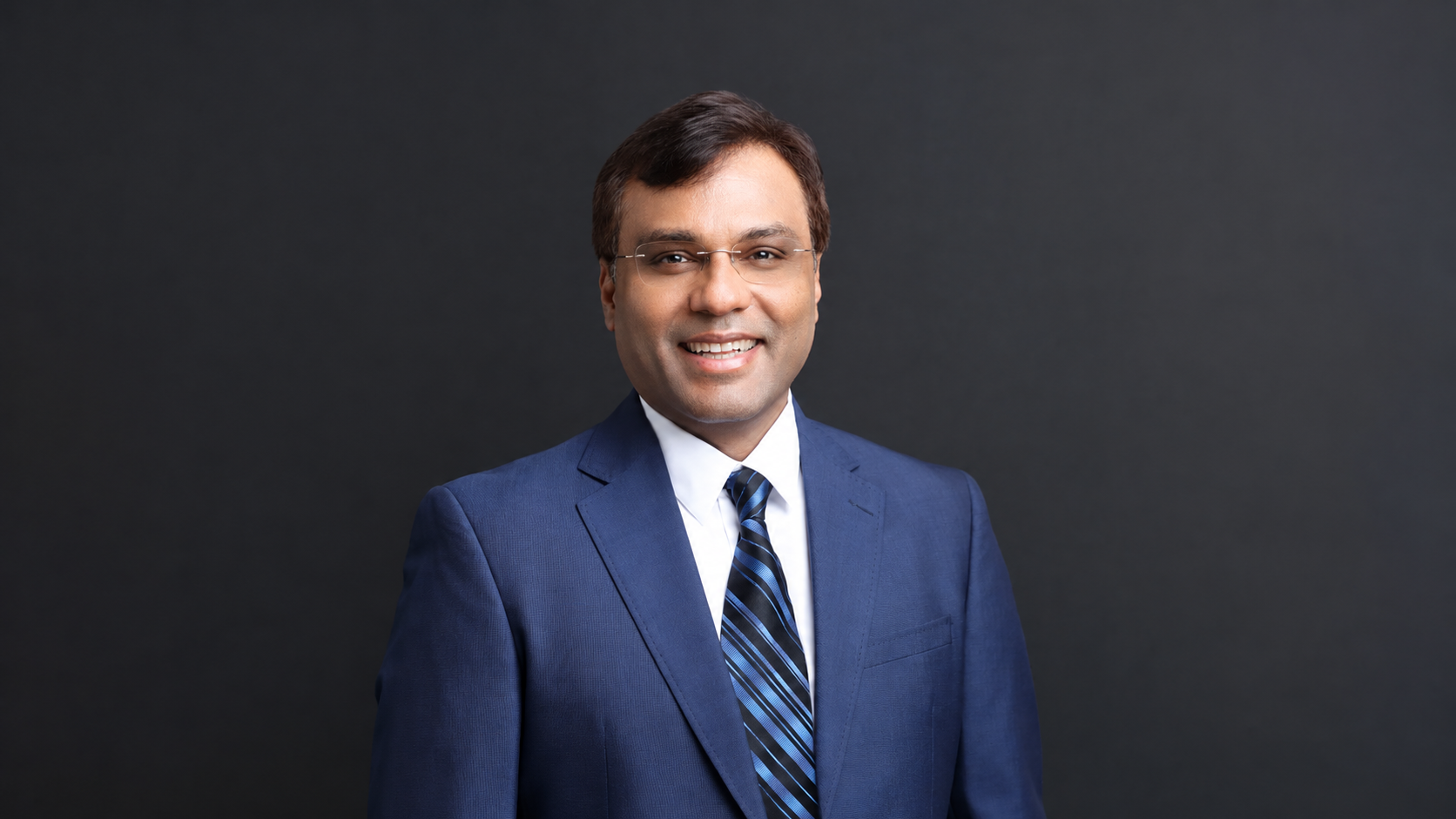
Boston Dynamics has appointed Rohit Prasad as chief executive officer, bringing the former Amazon AI executive behind Alexa and the Nova foundation-model family into the company as it prepares Atlas for industrial deployment at scale. Announced on October 6, the appointment took effect on October 7. Prasad is also expected to join the board, subject to approval.
Prasad spent 12 years at Amazon, most recently as senior vice president and head scientist for Alexa and Artificial General Intelligence. He helped develop Alexa into a mass-market AI product and later led Amazon’s Nova foundation-model family. Before Amazon, he spent nearly 14 years at Raytheon BBN Technologies working on machine-learning research and applications for government and commercial customers.
He succeeds Amanda McMaster, Boston Dynamics’ CFO, who had been serving as interim CEO after Robert Playter stepped down in February. Playter spent more than three decades at the company and six years as chief executive, overseeing its transition into commercial robotics through Spot, Stretch and the electric Atlas programme.
The product version of Atlas was unveiled at CES in January, with all 2026 deployments committed to Hyundai Motor Group and Google DeepMind. Boston Dynamics and DeepMind are jointly developing Gemini Robotics foundation models for industrial humanoid tasks. Hyundai supplies manufacturing environments, supply-chain capabilities and planned production infrastructure to support the transition beyond development fleets.
In September, Boston Dynamics opened its Robotics Metaplant Application Center at Hyundai Motor Group Metaplant America in Georgia. Atlas robots are being trained there on manufacturing work including parts sequencing and logistics preparation. A larger facility is planned for 2027. Hyundai intends to introduce Atlas into validated production processes from 2028, initially for parts sequencing, followed by component assembly from 2030.
Hyundai plans U.S. production capacity of 30,000 robots annually, while Boston Dynamics said in September that the group intends to deploy 25,000 Atlas units across Hyundai and Kia plants over the coming years. These are capacity and deployment targets; the broader 30,000-robot figure is not an Atlas-only delivery commitment. The group’s industrial network provides infrastructure for AI training, validation, manufacturing, logistics and service.
Boston Dynamics framed Prasad’s appointment around turning Physical AI research into products, combining its robotics engineering with his experience scaling AI systems and Hyundai’s manufacturing infrastructure. His arrival places an AI and product executive at the head of the company while Atlas moves through industrial training and preparation for production deployment.