
Dream Labs emerges with $90M seed round and launches Dream-1 robot foundation model
Former NVIDIA robotics researchers launch Dream Labs with $90M in seed funding, a cross-hardware robot foundation model and a public developer API.
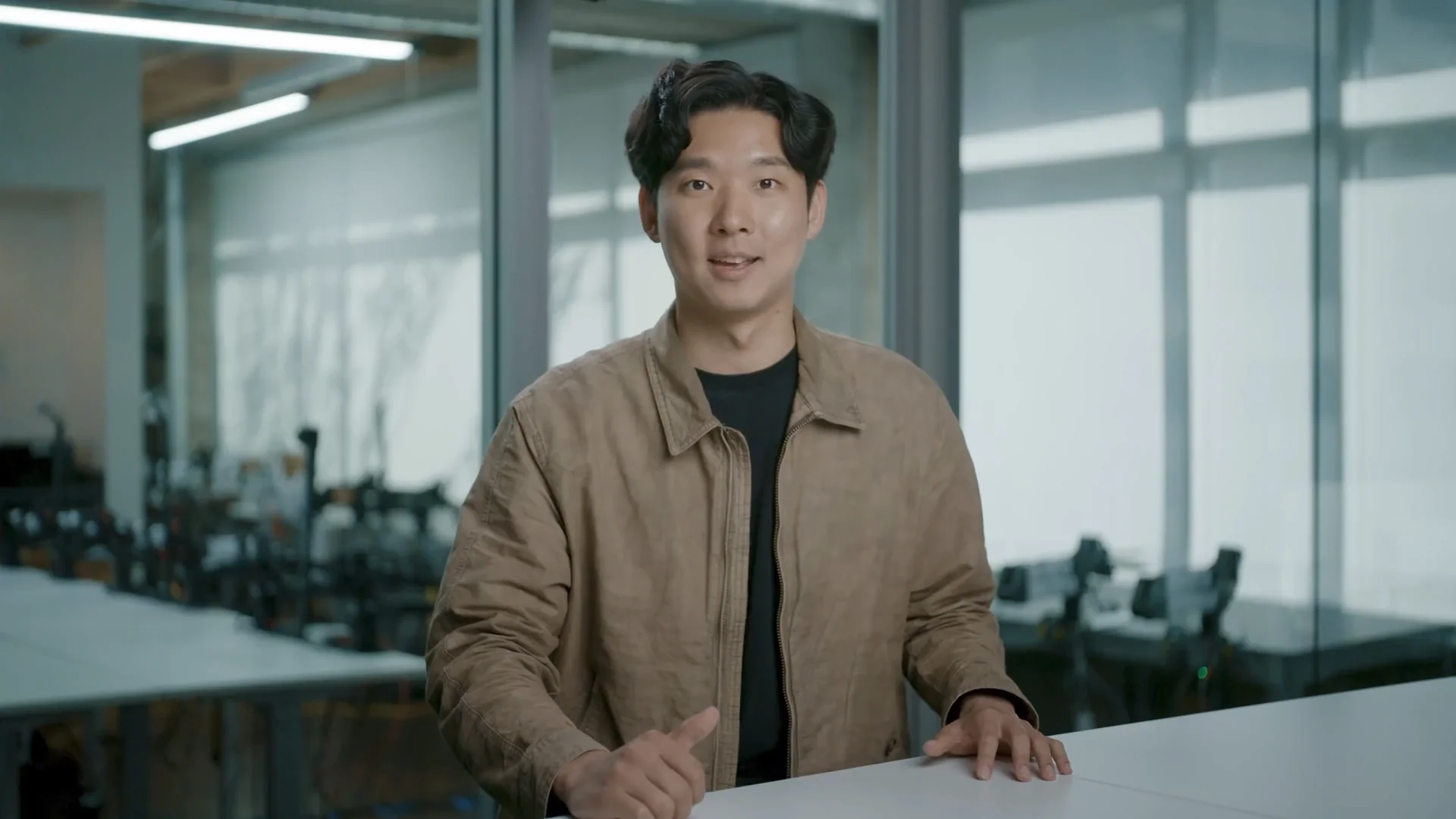
Dream Labs has raised $90 million in seed financing led by B Capital alongside Kindred Ventures, while launching Dream-1 and its Dream API for robot control. Other participants include A.Capital, Unusual Ventures, SV Angel, Wing VC, Scribble VC and Adrian Aoun. Founded in San Francisco in 2026 by former NVIDIA robotics researchers, including co-founder and CEO Joel Jang, the company plans to direct the funding primarily toward computing infrastructure as it expands the tasks, hardware and users supported by its models.
Dream-1 uses a world-action-model approach that learns from video and predicts physical actions alongside future visual states. The cloud-hosted Dream API accepts camera observations, robot state and a natural-language instruction, then returns actions for the robot to execute. Its initial focus is bimanual tabletop manipulation with parallel grippers, including picking, placing and folding laundry. Developers can submit demonstration data through a fine-tuning service to adapt the model to particular hardware or tasks. A browser-based Robot Playground lets users send instructions to a live robot in the company’s San Francisco office.
For previously unseen robots, Dream-1 predicts gripper poses and open-or-close commands that the robot’s own inverse-kinematics solver converts into joint movements. This shared action interface supports transfer across different two-arm platforms. Dream Labs’ technical release includes evaluations across 27 unseen robot embodiments in simulation and selected real-robot demonstrations. The company reports that performance varies with the robot’s workspace, kinematics and inverse-kinematics solver; its published examples include both zero-shot execution and improvements after adaptation on the robot’s own data.
Dream Labs reports more than 20 hardware partners, with supported robots priced at approximately $2,000–$10,000, including MakerMods’ bimanual arms. Its launch programme combines a base model for parallel-gripper robots with hardware-specific refinement for partners. Support for wheeled mobile platforms and dexterous hands is on the roadmap.
The founding team previously developed DreamZero, released in February 2026 while its researchers were working on robot learning at NVIDIA. That work introduced World Action Models and explored transferring manipulation knowledge between robot embodiments. Dream Labs’ technical account traces the company’s formation to a DreamZero experiment in which 30 minutes of YAM robot data enabled transfer to previously unseen tasks. Dream-1 brings that research into a hosted service, with public API access, demonstration-based adaptation and remote testing available at launch.