
Siemens and NVIDIA test AI-driven inspection and factory planning in Erlangen
Digital twins and synthetic images prepare PCB inspection before prototypes exist, while an AI agent tests production plans in simulation.
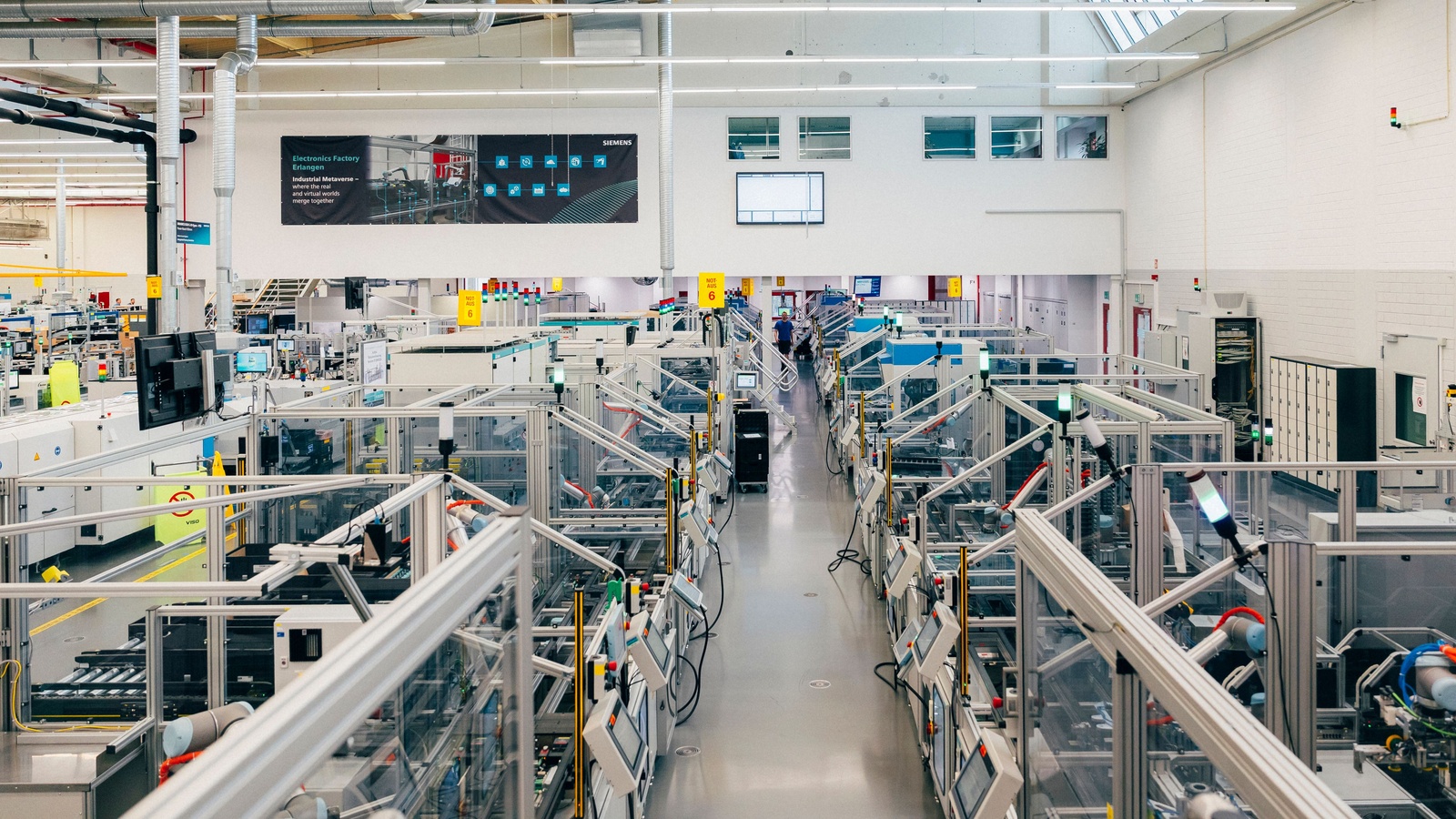
Siemens and NVIDIA have introduced AI applications tested in live production at Siemens’ Electronics Factory in Erlangen, Germany. Announced on 19 October, the work combines synthetic training images, digital twins and agent-based planning to prepare new products for manufacturing and adapt production schedules when orders or material availability change.
For printed circuit-board assemblies, NVIDIA Cosmos world models generate photorealistic images from digital representations of the boards. Engineers use those images to train visual inspection systems before physical prototypes are available. Siemens says this virtual preparation can reduce engineering effort by up to 85% and shorten time to market by up to 40%, addressing a process that previously involved weeks of waiting for prototypes and configuring inspection equipment.
A separate planning agent develops production scenarios when new orders arrive. It evaluates capacity, available materials, delivery dates and line allocation, then shows planners how each option performs against defined metrics. Proposed plans are tested against a digital twin of the entire facility before implementation. Siemens identifies potential planning cost savings of up to 20%.
NVIDIA’s Factory Operations Blueprint supports the planning agents, while Omniverse libraries provide the simulation environment for testing plans with actual factory data. Siemens supplies the industrial software, automation systems and manufacturing knowledge. The partners say their first applications were developed in less than ten months after their January 2026 announcement of plans for AI-powered manufacturing sites.
Erlangen manufactures power electronics and automation equipment, including drives and frequency converters used across industrial applications. The site employs approximately 1,000 people and already uses more than 100 AI algorithms in production, logistics, quality inspection and maintenance. Siemens plans €500 million of investment in the site’s transformation through 2030, using the operating factory to develop and validate systems for wider manufacturing use.