
TARS keeps breaking its own records
A record pre-A round adds more fuel to one of the biggest funding waves in robotics
TARS Robotics was formally founded on February 5, 2025. Seven weeks later, before it had shown a public product, it closed a $120 million angel round. Chairman Li Zhenyu previously led Baidu’s intelligent driving group and Apollo; CEO Chen Yilun previously served as Huawei’s autonomous driving CTO and DJI’s machine vision chief engineer; chief scientist Ding Wenchao came out of Huawei’s end-to-end autonomous driving work.
Other Chinese robotics financings announced this year include Spirit AI’s RMB1 billion April round, a Booster Robotics round of roughly the same size, and EngineAI’s $200 million Series B.
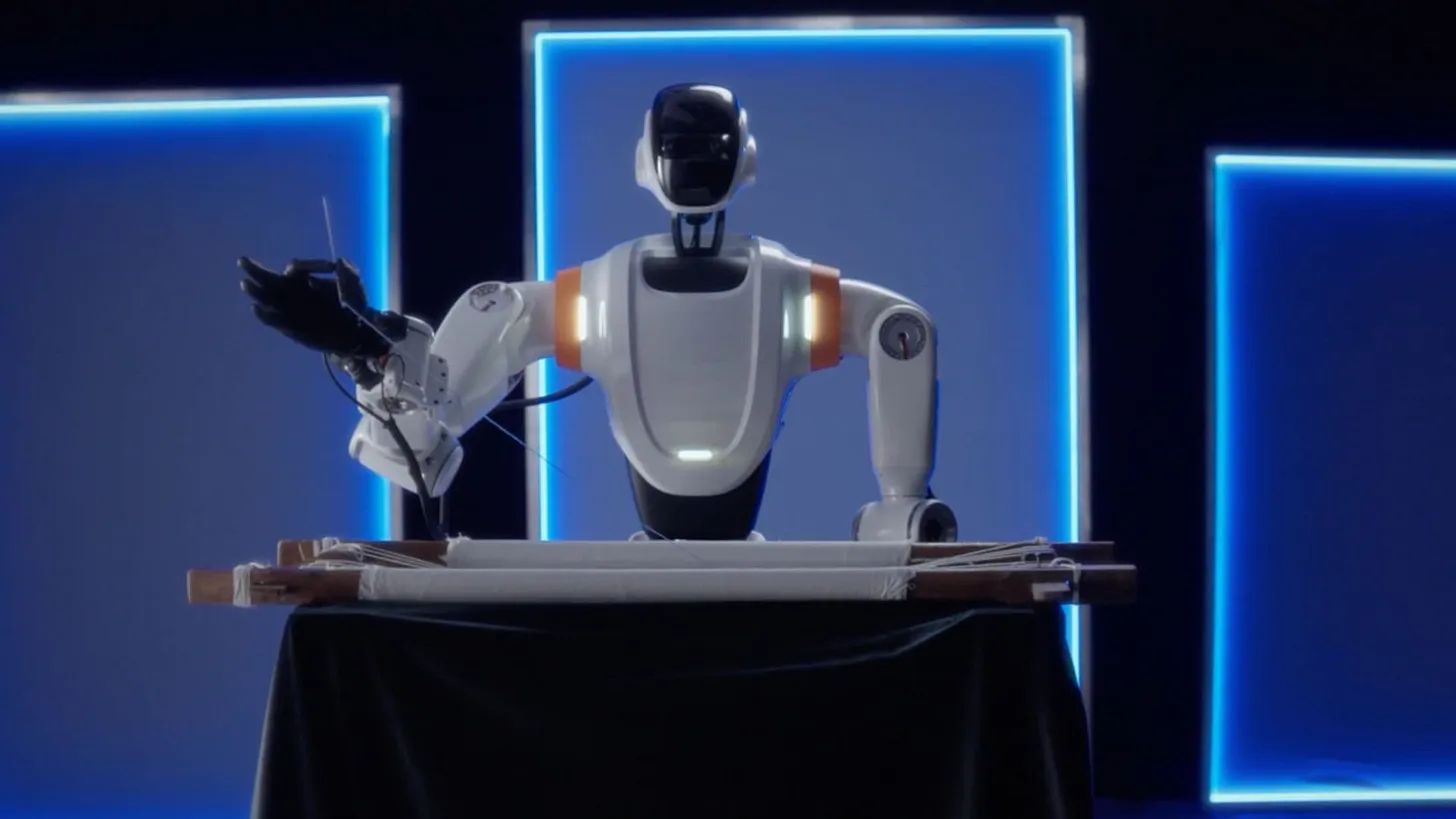
In December 2025, TARS held a public demo in which its robot threaded a needle and completed two-handed embroidery. This is an unusual task compared to most demos shown, it covers millimeter precision, bimanual coordination, flexible-material handling, fine force control, and long-horizon execution. TARS also linked that capability directly to wire-harness manufacturing, which is a commercially legible target.
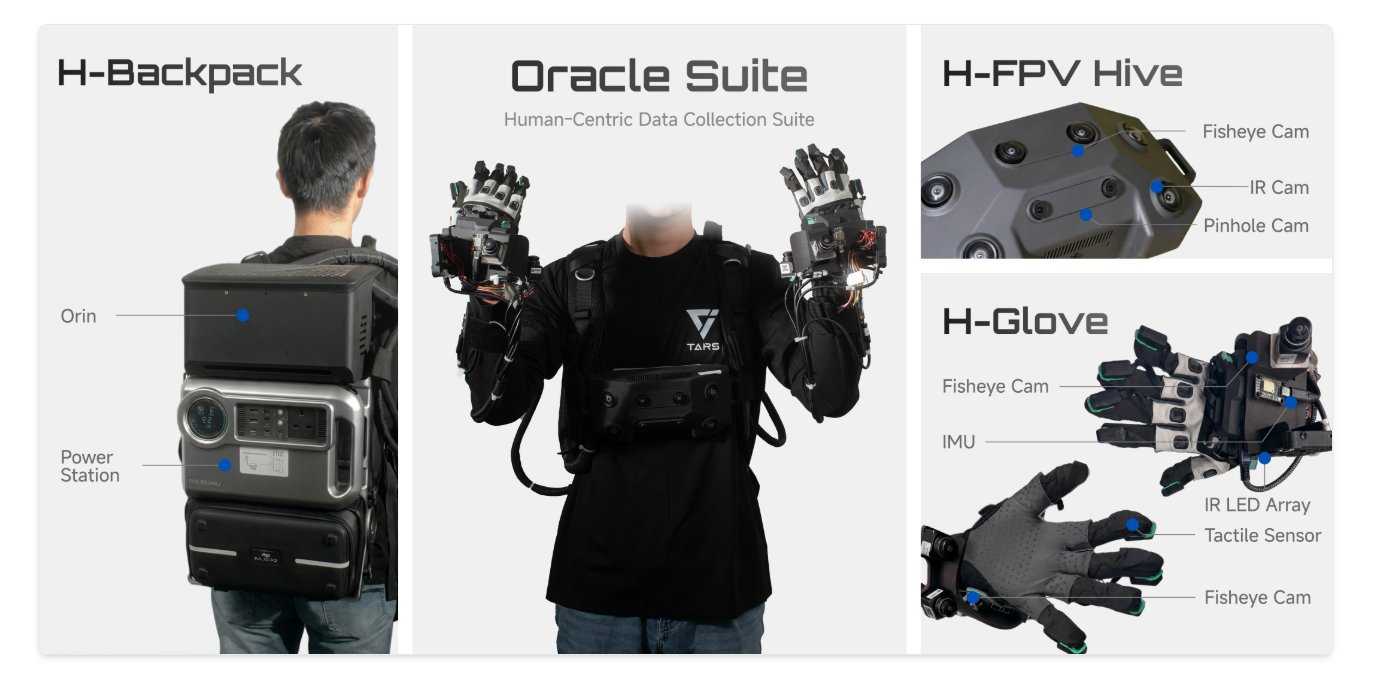
The stack behind it is what TARS calls a full data-model-hardware loop. SenseHub captures human-centric real-world data and AWE 2.0 is the embodied model layer. The T-series and A-series robots are built around what the company describes as a minimal digital-to-physical gap, with the goal of making learned capabilities transfer into reliable physical execution.
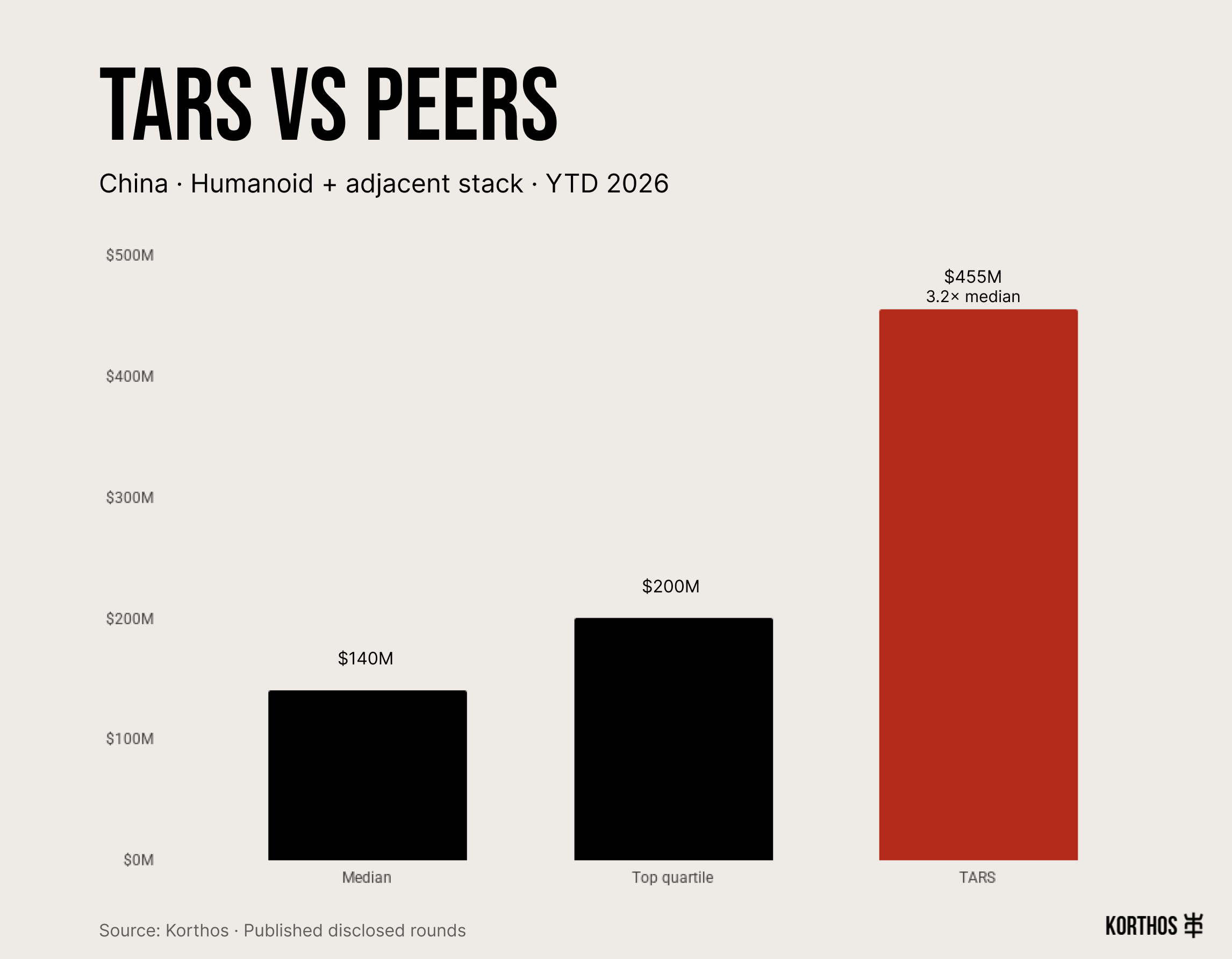
On April 15, TARS announced a $455 million Pre-A round. Chinese coverage described it as the largest single financing round and largest Pre-A round yet in China’s embodied-intelligence sector. Added to its prior $120 million angel and $122 million angel+ rounds, disclosed funding now stands at roughly $697 million, all before a formal Series A.
The investor mix stands out; Hillhouse Ventures and Sequoia China anchor the financial side, Meituan is also part of the round, and state capital from Beijing Robotics Industry Development Investment Fund and Shanghai Guotou gives it more weight.
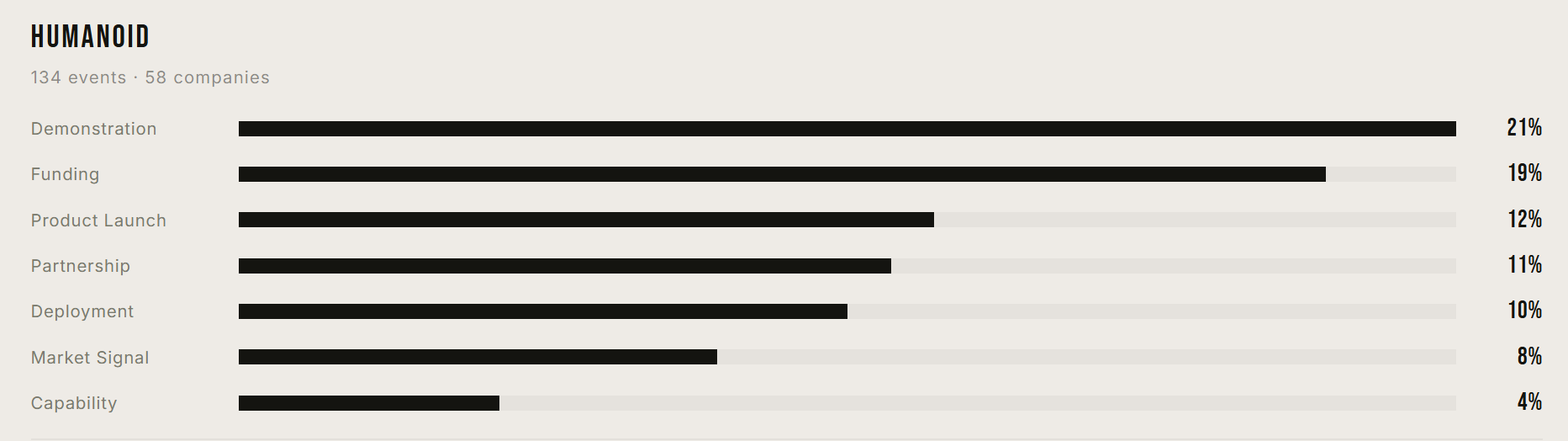
The broader humanoid activity mix YTD still looks like this, with deployments generally representing early-stage pilots and experiments.
Have a robotics update Korthos should review? Send news, deployments, product releases, funding rounds, research, or media to [email protected] or reach out on X at @agkorthos.