
Eastern Pacific Shipping expands Orca AI after five-vessel navigation pilot
A pilot spanning more than 130,000 nautical miles precedes planned rollout to dozens of additional ships, with company-reported reductions in close encounters.
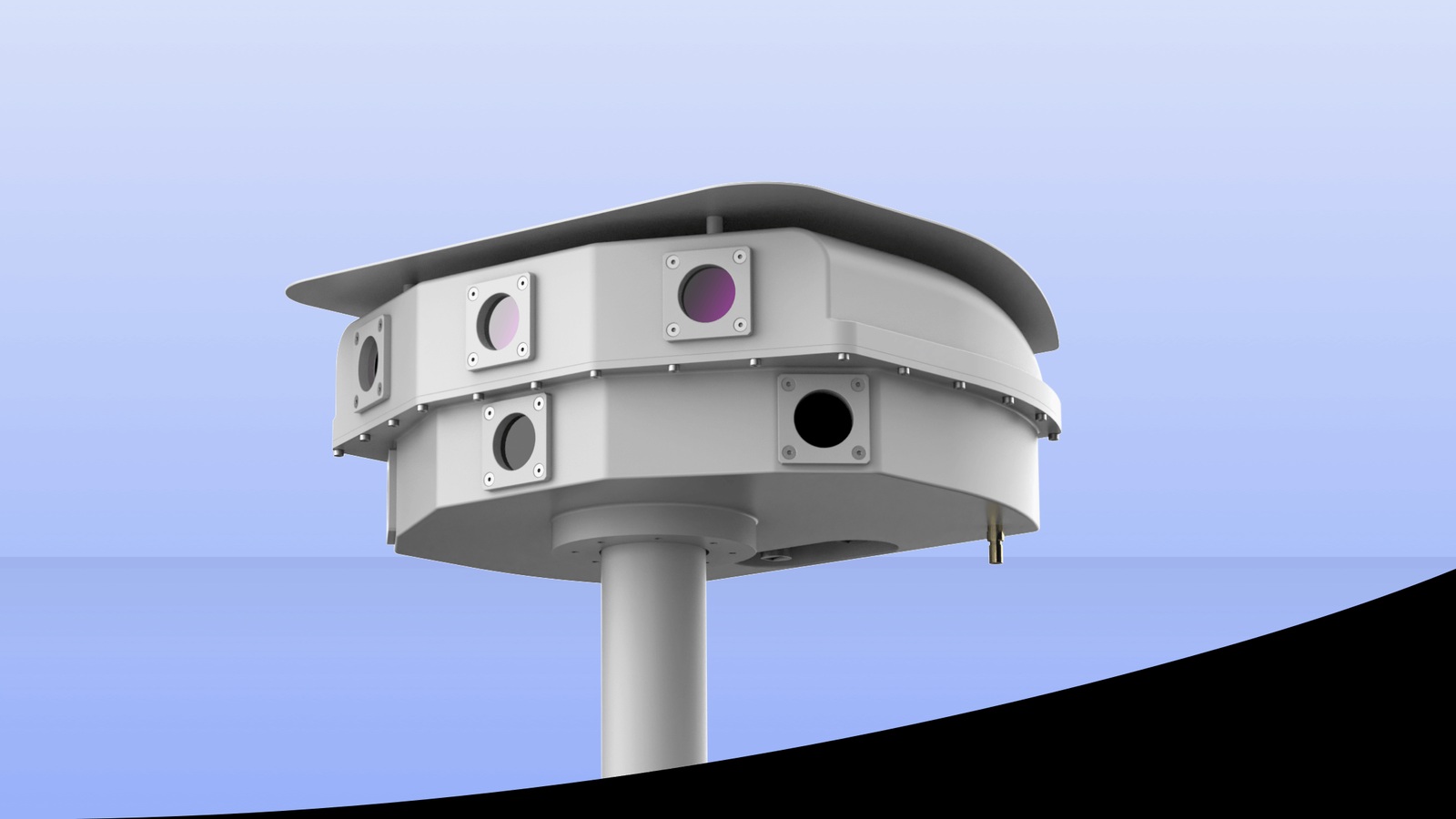
Eastern Pacific Shipping expanded its Orca AI deployment on 25 August 2026, planning installations on dozens of additional vessels after a five-ship pilot covering more than 130,000 nautical miles. The programme equips bridge teams with visual detection and decision-support tools and gives shoreside staff a record of navigation events.
Orca AI reported a 48% reduction in close encounters per 1,000 nautical miles across the pilot and a 10% increase in average minimum passing distance. Pacific Sentinel, one participating vessel, recorded an 84% reduction in open-water close encounters and a 50% increase in minimum passing distance within six months of installation.
SeaPod uses computer vision to detect and classify nearby vessels and objects, including fishing boats and buoys without AIS transmissions, supporting watchkeepers in congested waters and poor visibility. FleetView makes operational events available to shoreside teams for review, trend analysis and crew training. EPS used the pilot’s event data to assess changes in navigational risk before approving the broader rollout.
The agreement follows Seaspan’s March 2025 expansion across another 100 ships. That earlier programme combined SeaPod’s visual monitoring with radar, AIS and GPS information and used FleetView for fleet-level review. Orca AI reported a 37% decrease in close encounters and a 35% increase in minimum average passing distance in Seaspan’s 2023–2024 operating analysis.