
Maritime autonomy is broadening
First-quarter developments in autonomous vessels, naval procurement, ocean monitoring and subsea equipment.
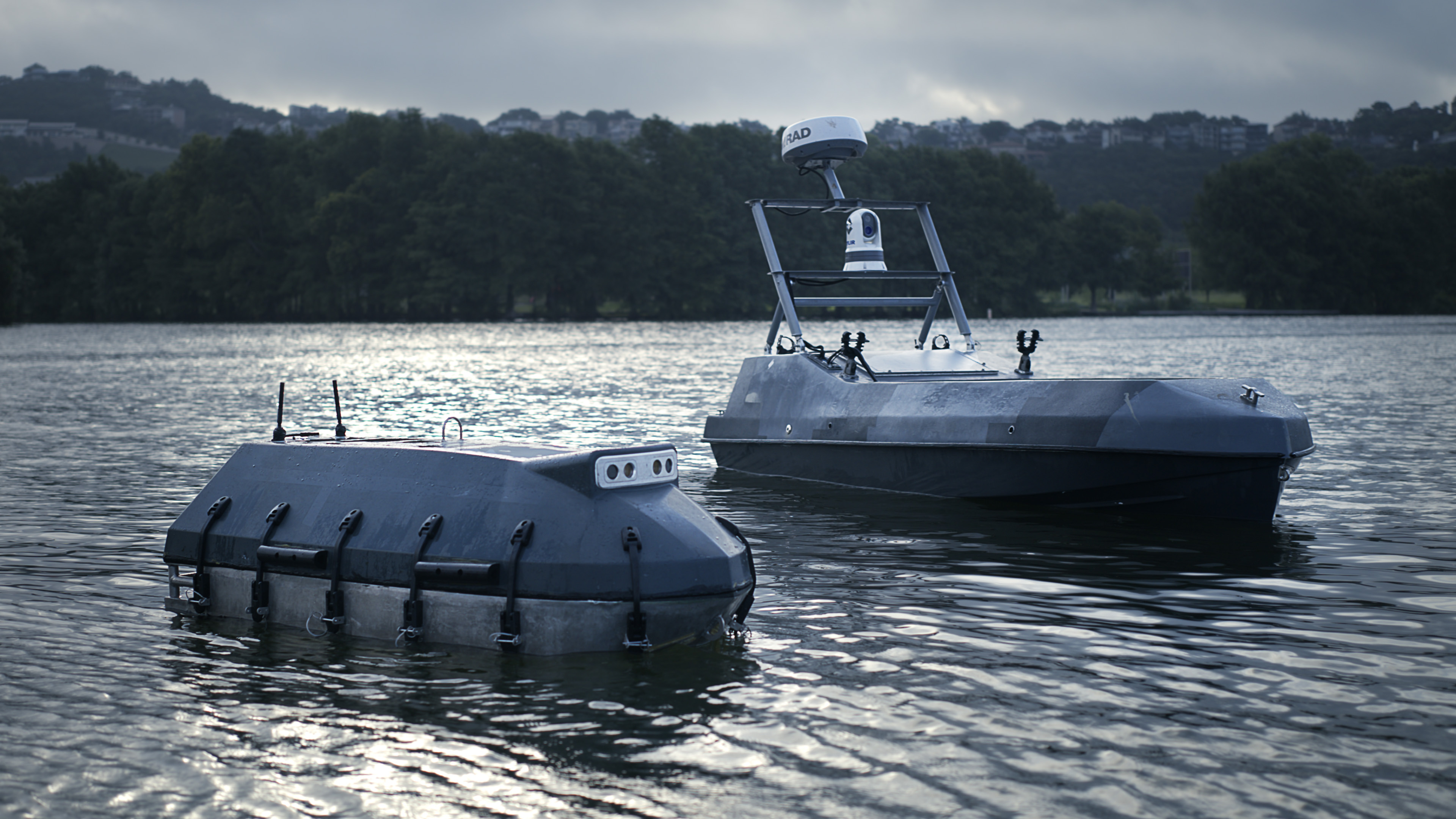
Saronic raised $1.75 billion at a $9.25 billion valuation in March and said the capital would expand its autonomous vessel line and shipbuilding capacity. Source
Persistent sensing and infrastructure monitoring
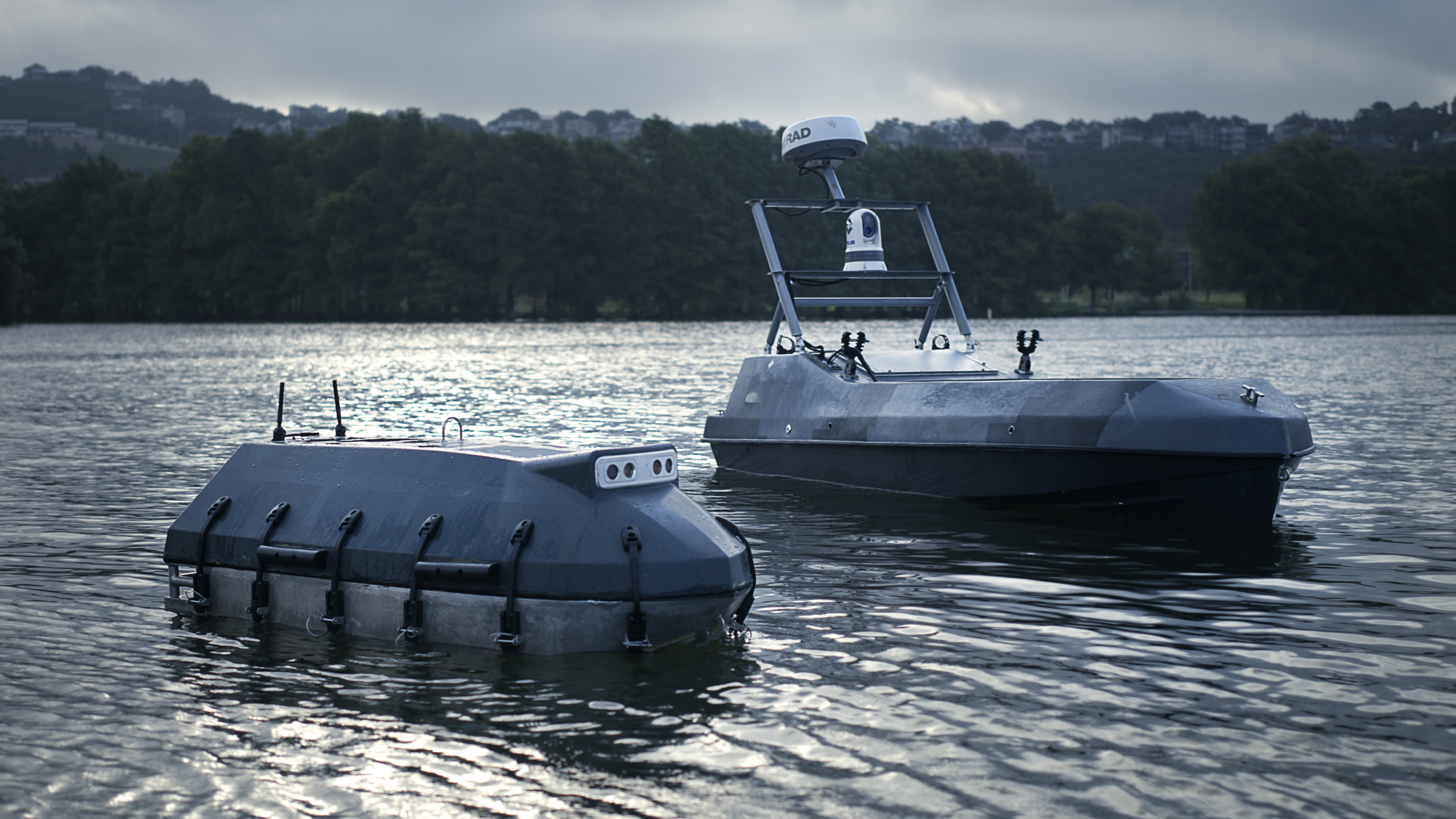
In March, Saildrone said its Voyager platform had integrated a sub-bottom profiler and used it in the Baltic Sea in support of the Danish Armed Forces. The company also said it had been operating four Voyager USVs in the Baltic for six continuous months with 92% fleet uptime.
Naval adoption inside existing fleets
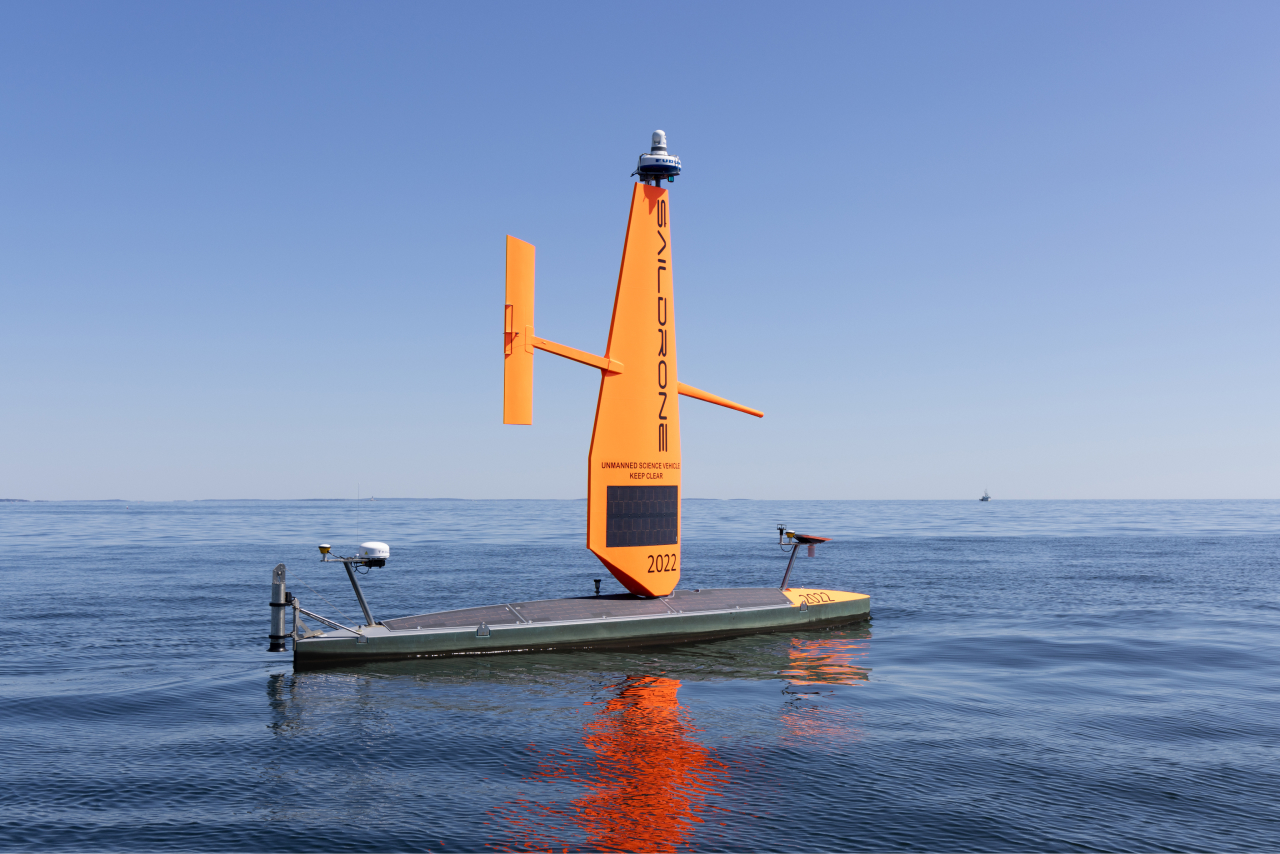
In March, the Royal Navy said it would procure 20 uncrewed surface vessels from Kraken Technology Group under Project Beehive. The boats will be used by the Coastal Forces Squadron and 47 Commando for operations, training, and development.
The subsea stack beneath the vessel
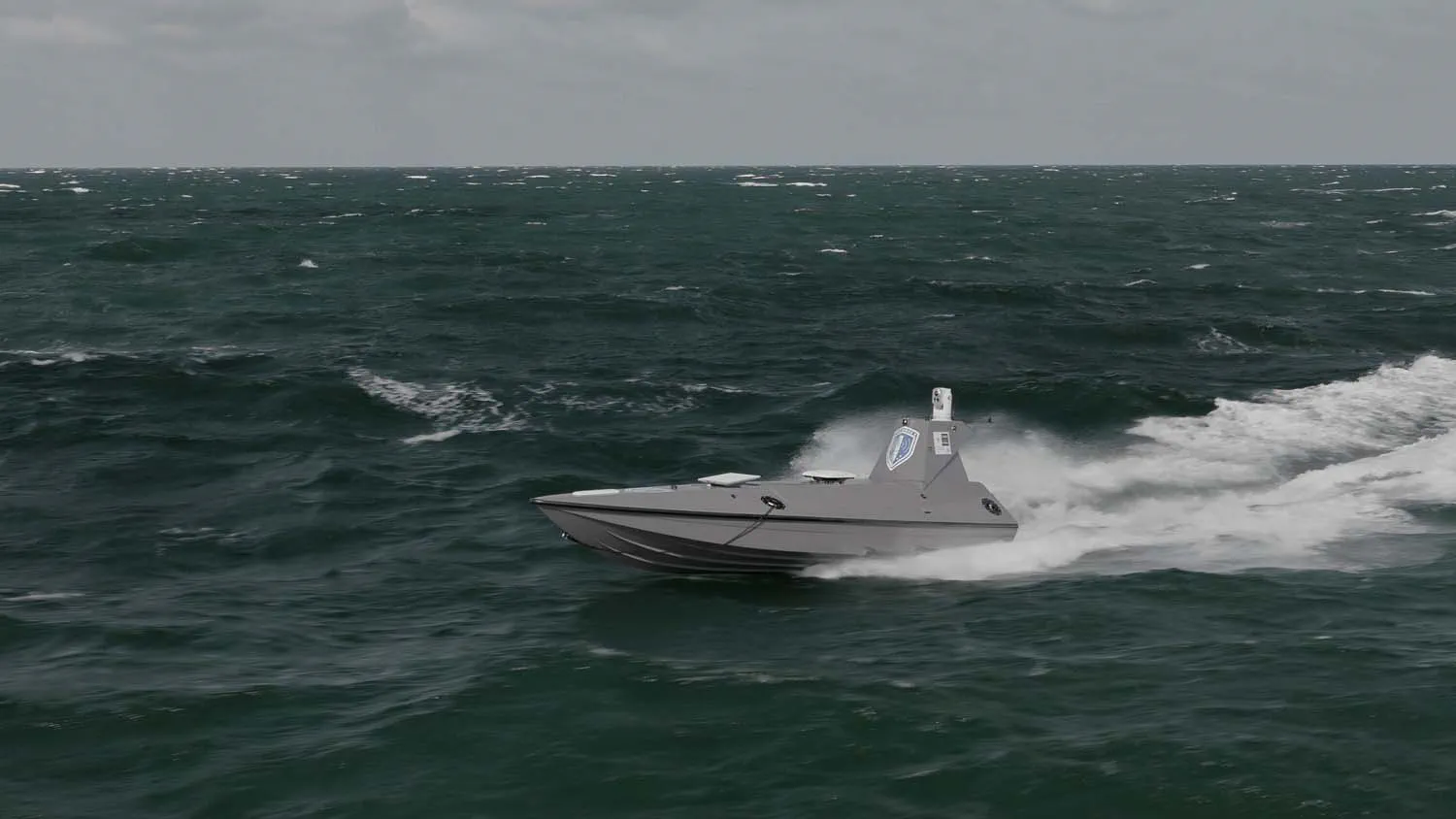
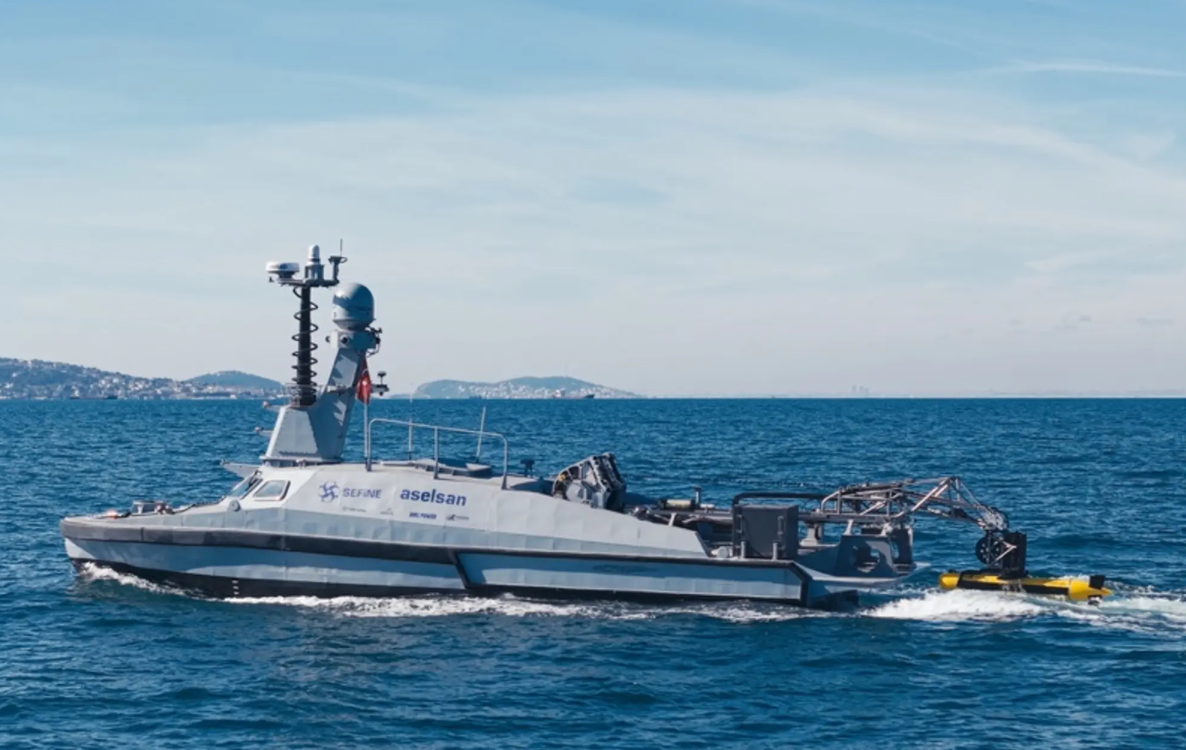
The supply chain also includes sonar, subsea imaging, navigation, positioning, communications, batteries and launch-and-recovery equipment. Kraken Robotics agreed to acquire Covelya and demonstrated KATFISH from SEFINE’s RD-22 USV.
The no-crew design bet
USX-1 Defiant, developed under DARPA’s NOMARS program, was designed to operate with no humans aboard. DARPA says recent testing included at-sea fueling without anyone on the vessel, high-speed turns and speed trials close to 20 knots.
Other Q1 developments
DIU and the U.S. Navy selected Anduril for the XL-AUV program
The Royal Navy received its second autonomous mine warfare vessel
Singapore issued a port notice covering UUV and USV testing
Exail announced the first sale of its DriX H-9 for civil offshore operations
Have a robotics update Korthos should review? Send news, deployments, product releases, funding rounds, research, or media to [email protected] or reach out on X at @agkorthos.