
Open hardware is reaching humanoids
A full hardware design, BOM, and simulation environment are now public, with a kit targeted at $15,000.
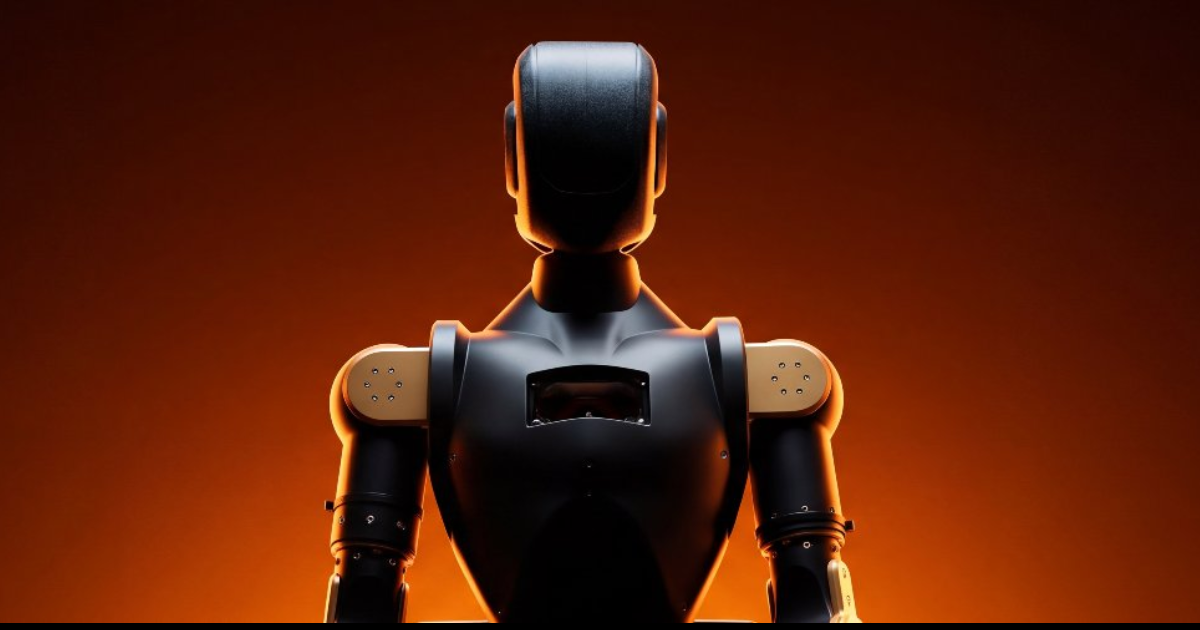
Born too late to explore the earth, born too early to explore the stars, born just in time for humanoid robot lego sets.
Asimov is open-sourcing a humanoid platform you can build yourself from a full bill of materials and simulation stack.
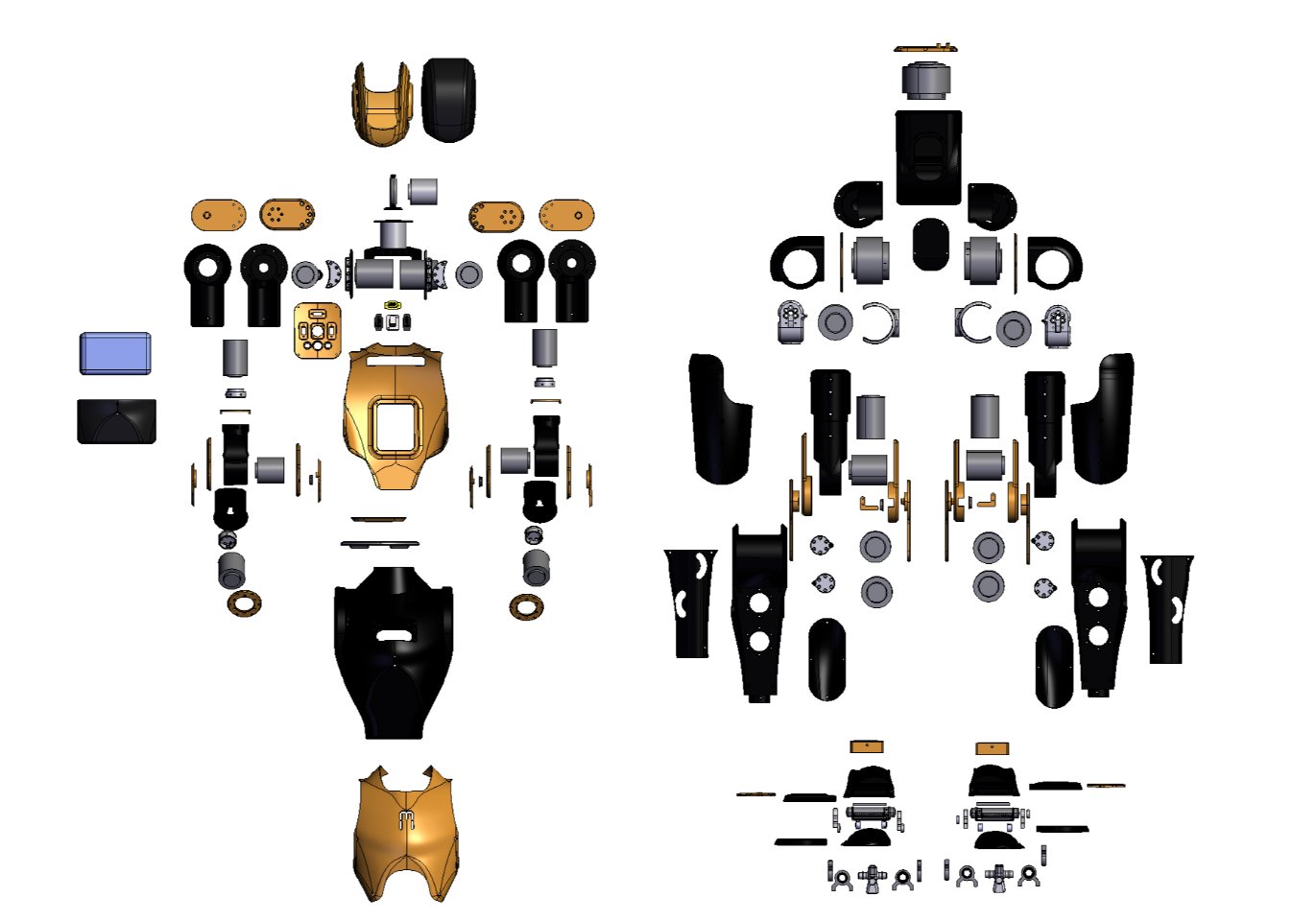
Menlo Research, a Singapore-based applied R&D lab, today published the full mechanical design and simulation files for Asimov v1 and recently opened pre-orders for a $15,000 DIY kit. The full bill of materials is public. Parts can be sourced independently or bundled into the kit with shipments targeted for end of summer 2026.
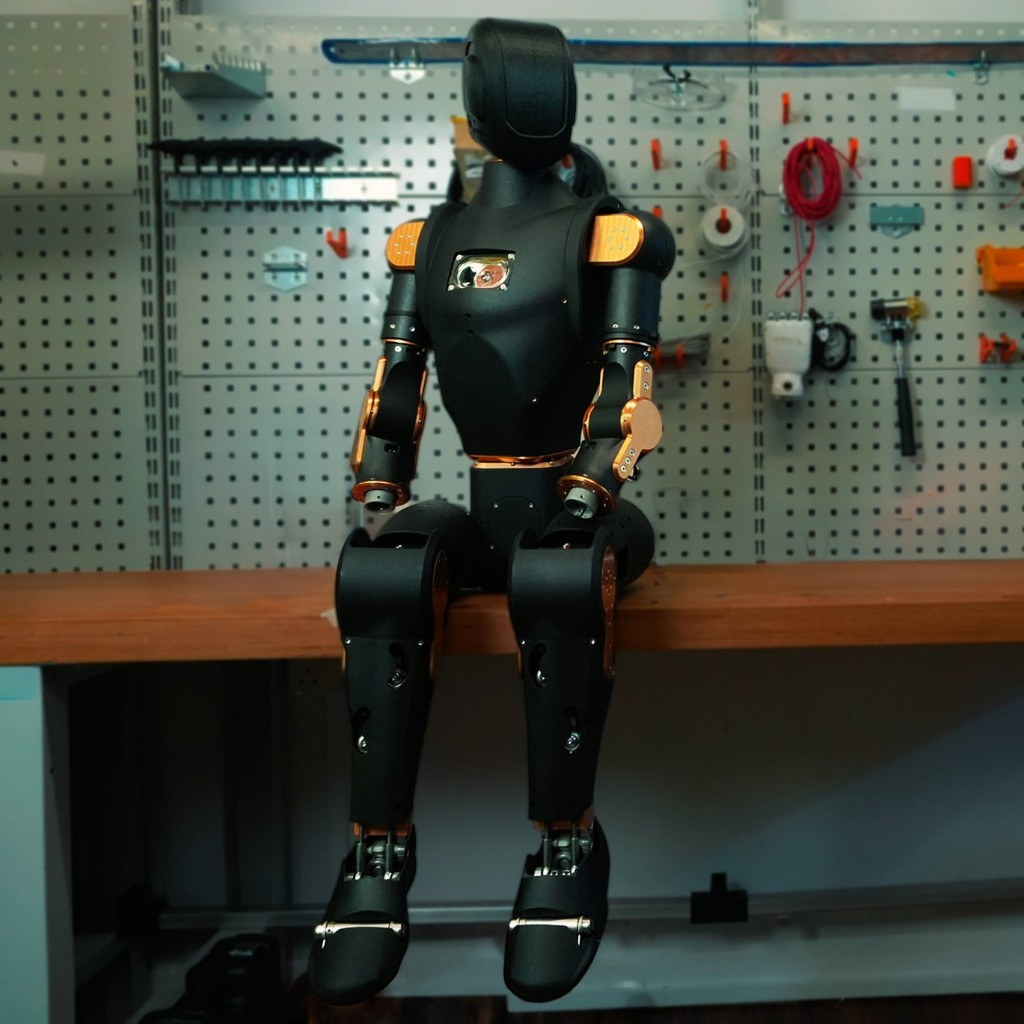
Menlo says a failed knee joint on its Unitree G1 halted research for two months while the team waited for a replacement. Asimov’s design lets builders inspect every component, source off-the-shelf replacements and 3D-print structural parts.
Unitree is one of the highest-volume humanoid robot manufacturers and Unitree vice president Jiang Liming said the company develops more than 90% of its hardware itself, including key robot components such as motors, reducers, controllers, LiDAR, perception, and motion-control algorithms. That vertical integration gives tight control over performance, cost, and supply, at the expense of openness.
The $15,000 price is close to bill-of-materials cost by design. Menlo's longer-term revenue model targets proprietary software components (robot skills, full-body teleoperation), cloud services (simulation, data collection), and OEM licensing rather than hardware margins. The $30,000 annualised total cost of ownership is framed as a design constraint rather than a forecast; the argument is that a humanoid needs to be economically comparable to a minimum-wage worker in developed markets before it becomes viable as infrastructure rather than a research object.
Because the design is openly licensed, any manufacturer can pick it up and produce units without a licensing agreement with Menlo. They frame Asimov as a reference design for an open manufacturing partner ecosystem, where multiple producers can build compatible systems in parallel, with parts sourced locally and supply chains distributed rather than centralised.
RoboParty open-sourced ROBOTO ORIGIN earlier this year, a 1.25-metre, 34-kilogram bipedal platform with hardware, software, and engineering documentation released for developers. ROBOTIS has now introduced AI Sapiens K0, a 1.3-metre, 34-kilogram research humanoid with 23 degrees of freedom, DYNAMIXEL-Q actuators, CAD, BOM, and simulation support. Berkeley Humanoid Lite takes the same accessibility problem further down-market, using 3D-printed gearboxes and off-the-shelf components to keep hardware cost below $5,000.
K-Scale Labs offered the K-Bot Founder’s Edition at $8,999 before shutting down after failing to raise the capital needed to scale manufacturing. Source
Have a robotics update Korthos should review? Send news, deployments, product releases, funding rounds, research, or media to [email protected] or reach out on X at @agkorthos.