
Tesla ends Model S and Model X production to convert Fremont factory for Optimus manufacturing
Tesla's Q4 2025 earnings call confirmed Fremont's Model S and X lines will become a one-million-unit-per-year Optimus production facility.
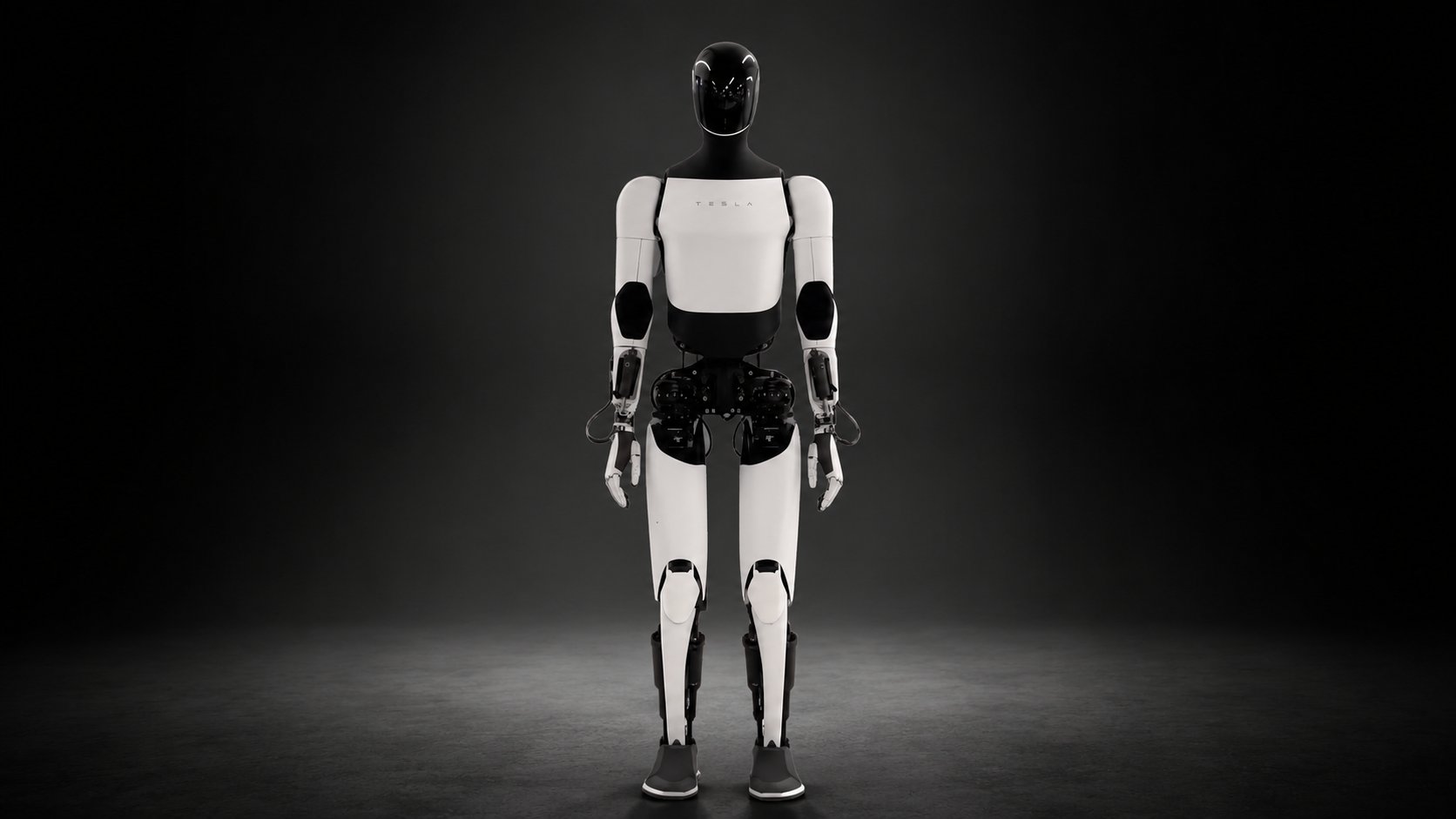
Tesla announced on its Q4 2025 earnings call that it will end production of the Model S and Model X and repurpose those factory lines at its Fremont, California facility to manufacture the third generation of Optimus, its humanoid robot, targeting a production capacity of one million units per year. A second manufacturing programme is being prepared at Gigafactory Texas, designed for a long-term annual capacity of ten million robots and spanning 5.2 million square feet.
Tesla acquired Fremont in 2010 from Toyota and General Motors, which had operated it as NUMMI. The final Model S and Model X vehicles were scheduled for early May 2026, ending production runs of fourteen and eleven years respectively. Tesla planned to continue Model 3 and Model Y production at Fremont while converting the S and X lines for Optimus.
Optimus began publicly in September 2022 at Tesla's AI Day, where the first reveal was a person in a robot suit dancing on stage, followed by a crude walking prototype. Musk framed it then as a longer-term project. The Gen 2 prototype revealed in late 2023 showed meaningful hardware progress: a 30% improvement in walking speed, a ten kilogram reduction in weight, and new hands with eleven degrees of freedom and tactile sensing. Internal Tesla deployments began through 2024 and into 2025 for pick-and-place and tote-handling tasks. Gen 3 hands production started at Fremont in February 2026, and Tesla officially said Gen 3 mass production commenced in January 2026.
Musk described Optimus as requiring a completely new supply chain; "there's really nothing from the existing supply chain that exists in Optimus," he said on the earnings call. That is a meaningful engineering and procurement admission. Tesla's automotive manufacturing advantage is its vertically integrated production system and its supplier relationships; neither transfers to humanoid robotics. Building a million-unit production line for a product with no existing supply chain, no regulatory framework, and no proven autonomous operation is the core execution challenge the company is taking on.
Every major Optimus production target since 2022 has been missed. In 2022, Musk said Optimus would be production-ready by 2023. In 2023, he said thousands would be in factories by year end; Gen 2 had not yet been revealed. In January 2025 he projected several thousand units in 2025 and ten thousand per month by mid-year; actual output through 2025 was in the hundreds, a miss Musk acknowledged on the Q2 2025 earnings call. He confirmed in January 2026 that Optimus units are not yet performing useful autonomous work. The Gen 3 prototype reveal, originally targeted for Q1 2026, was pushed to late summer 2026 for finishing touches, confirmed on the Q1 2026 earnings call in April.
Musk said in September 2025 that Optimus and AI would account for 80% of Tesla’s future value. Wall Street projects negative free cash flow of $5.19 billion for Tesla in 2026. Cortex 2.0, its Optimus training supercomputer, began coming online in phases from April 2026. At Davos in January 2026, Musk targeted consumer availability by the end of 2027, following planned productive factory deployment at Fremont in the second or third quarter of 2026.
Have a robotics update Korthos should review? Send news, deployments, product releases, funding rounds, research, or media to [email protected] or reach out on X at @agkorthos.