
Unitree introduces UniUni desktop system for coordinated humanoid performances
UniUni brings formation design, motion synchronisation and operator monitoring into a desktop system for humanoid performances.
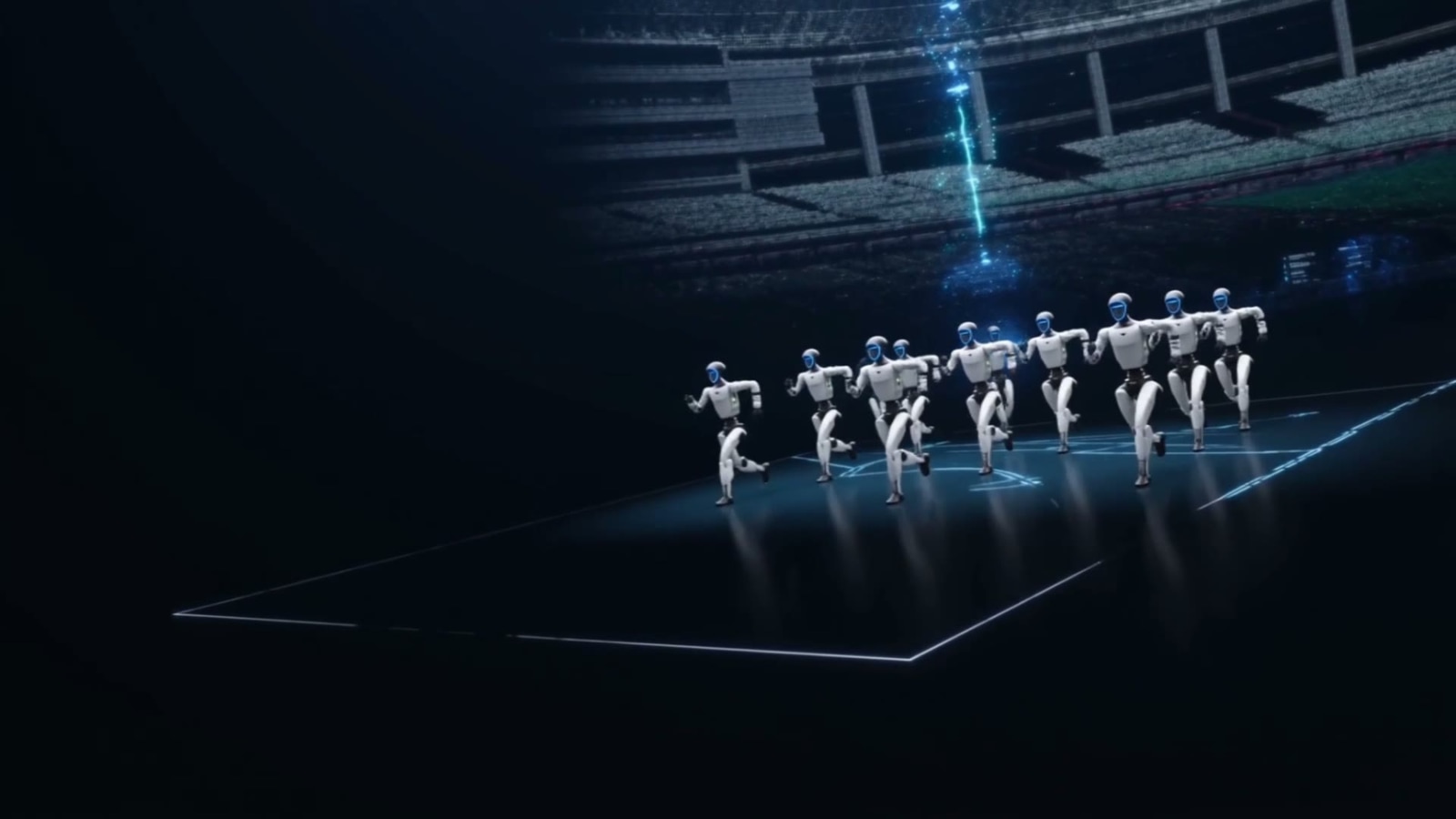
Unitree Robotics has introduced UniUni, a desktop platform for designing and operating coordinated humanoid performances. The software supports its H2 and G1 robots on Windows and macOS, combining formation planning, motion synchronisation and monitoring in a single operator interface.
Users can draw two-dimensional Bézier paths, arrange formations with three-dimensional robot models and organise actions on a drag-and-drop timeline. LiDAR point-cloud maps support positioning, while formation checks identify potential collisions before execution. The platform is focused on choreographed performances rather than general-purpose factory fleet management.
UniUni monitors robot connection status, position, temperature and LiDAR warnings, with emergency-stop controls available to the operator. Its UniStore motion library lets users install and synchronise behaviours across connected robots, reducing the manual setup involved in preparing a group performance.
The company also shows a natural-language choreography interface, including an example that arranges six robots into a two-by-three formation, assigns a Yangko dance and then changes their orientation and gestures. Unitree presents the system around entertainment and event applications, where coordinated motion, repeatable timing and supervision are central to operating multiple humanoids together.