WorkFar is turning teleoperated humanoid handling into an industrial service layer
Syntro uses a wheeled semi-humanoid form, teleoperation and onboard autonomy for factory and warehouse tasks where manipulation comes before full autonomy.
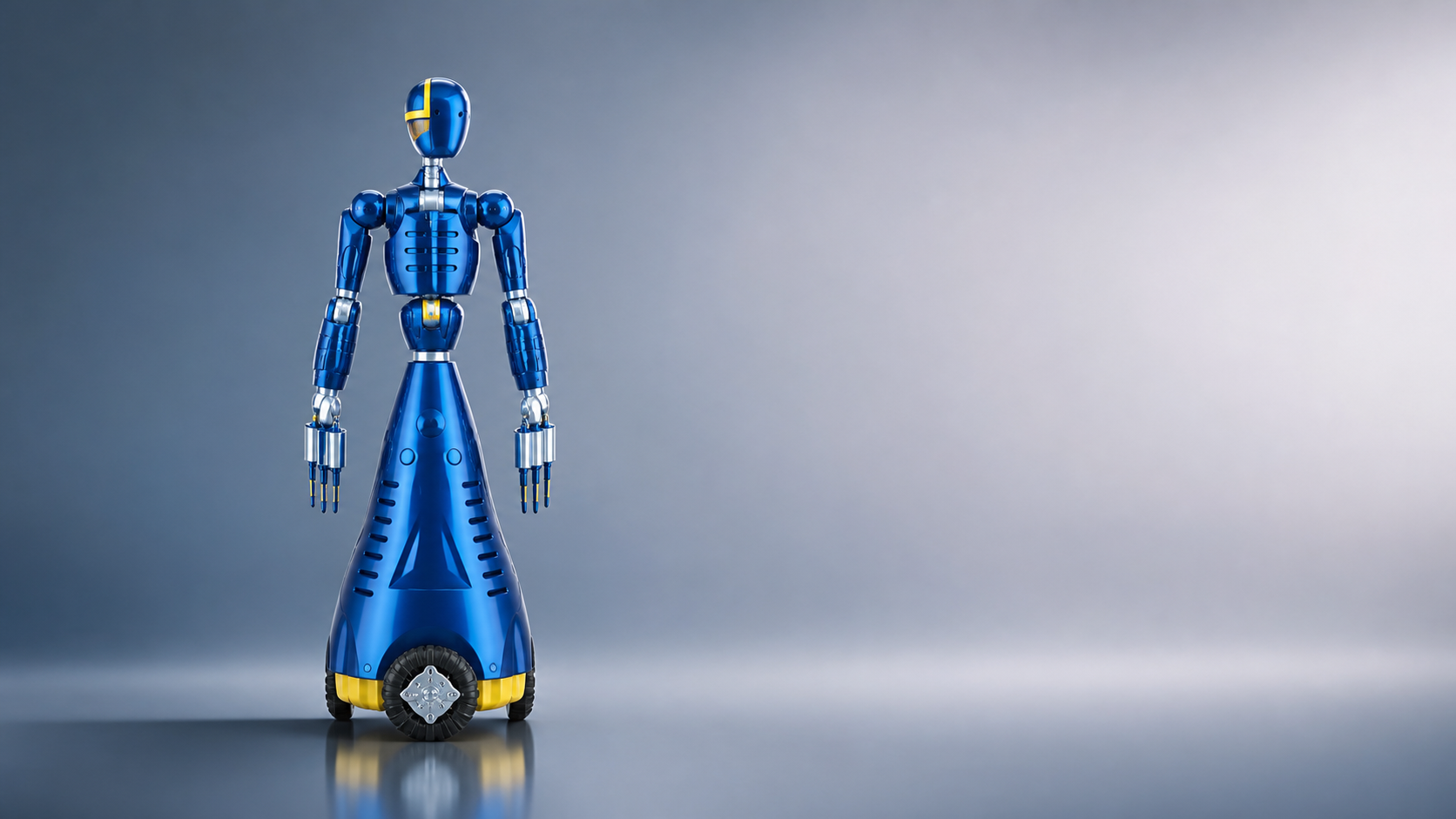
The wheeled base is the practical part of the product. Many factories and warehouses already run on flat, structured surfaces, so legs add cost, fall risk, and control complexity before they add much value. Syntro's commercial argument is that arms, hands, sensing, and remote presence can address human-scale work without requiring the machine to solve bipedal locomotion first.
The competitive field includes Reflex Robotics, Sanctuary AI teleoperation workflows, Apptronik and Figure industrial humanoid efforts, mobile manipulation systems, AMRs with arm payloads, and conventional automation integrators. WorkFar's distinction is the combined service model: a wheeled humanoid robot plus optional telepresence labor and support, aimed at customers that want automation capacity without waiting for full autonomy.
Public material does not disclose named customers, production fleet counts, customer uptime, task success rates, teleoperator workload, pricing, or renewal data. The strategic question is whether WorkFar can make teleoperated humanoid handling feel like a practical industrial service rather than a robot demo with a person hidden in the loop. If it can, Syntro becomes a bridge product for sites that need flexible labor coverage now while autonomy improves behind the scenes.
Have a robotics update Korthos should review? Send news, deployments, product releases, funding rounds, research, or media to tips@korthosrobotics.com or reach out on X at @agkorthos.