
Robots Enter the Home
Familiar enters through companionship, while Weave, Lume, Matic, Sunday, and 1X show how the path into home robotics has diverged.
Home robotics is splitting into different bets
The company, founded by Roomba creator Colin Angle alongside iRobot veterans Dr. Chris Jones and Ira Renfrew, unveiled its first product at The Wall Street Journal’s Future of Everything conference. The team also includes Morgan Pope from Disney Research and roboticists with experience across MIT, Boston Dynamics, and Bose; Angle helped put more than 50 million household robots into homes, and the company says its team includes iRobot veterans alongside roboticists with experience across Disney, MIT, Boston Dynamics, Amazon, Bose, and Sonos.
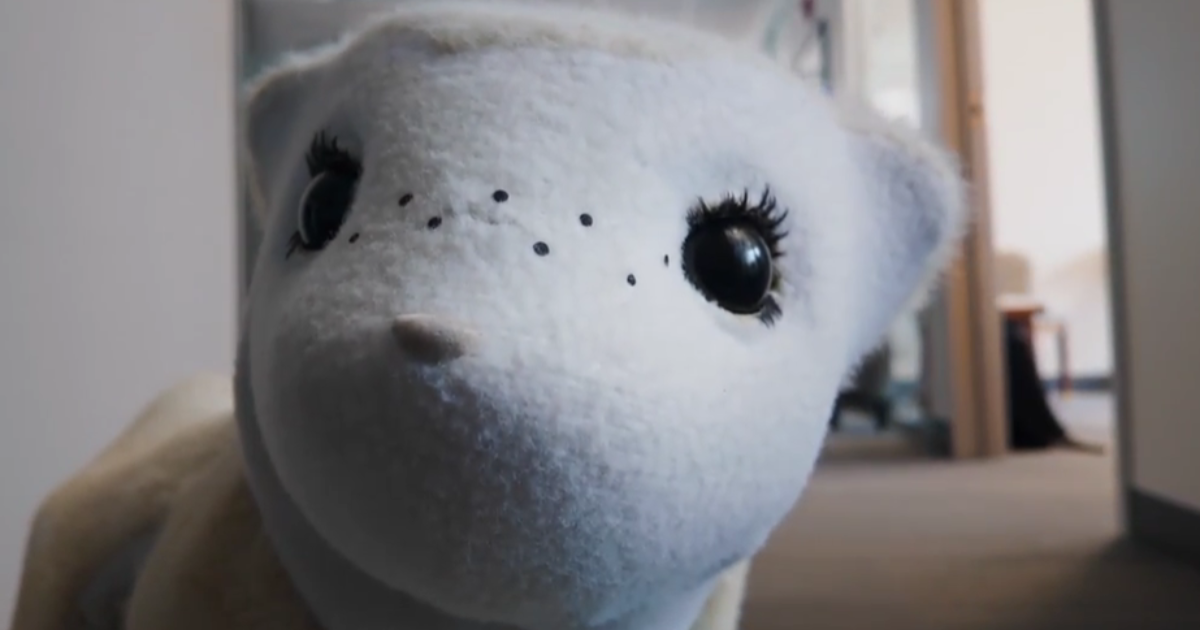
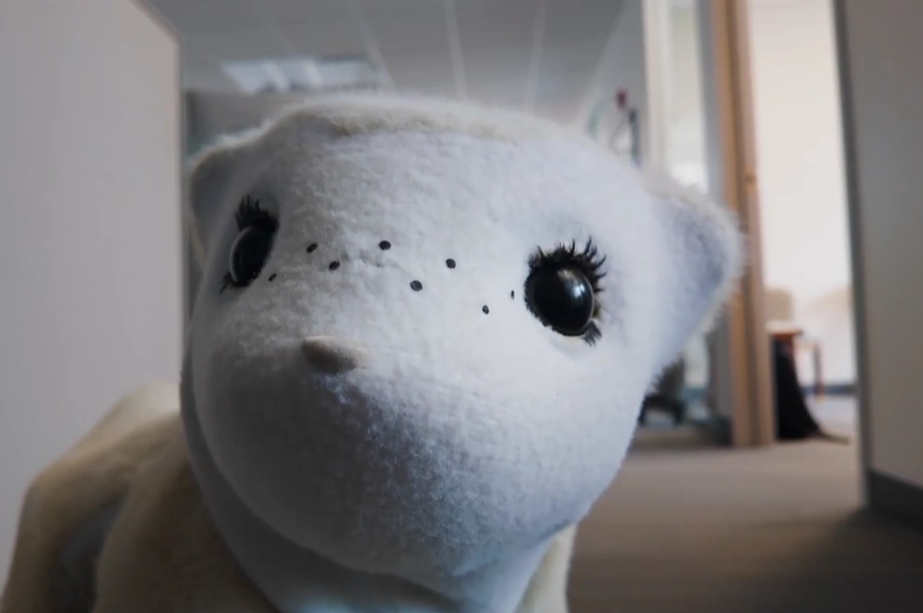
The first Familiar, a working prototype named Daphne, is a quadruped roughly the size of a small dog, covered in a touch-sensitive knit exterior influenced by sneaker materials. It has 23 degrees of freedom, moves autonomously through the home, follows users from room to room, and responds through posture, movement, expression, and nonverbal sound rather than speech. Its onboard edge AI stack uses a custom small multimodal model combining vision, audio, language, and memory, and the company says it does not stream audio or video to the cloud.
No price has been confirmed. Angle has described the eventual cost as comparable to owning a pet, without the vet bills, with an upfront purchase and a monthly subscription.
Angle describes a robot that people accept in their homes as a prerequisite for later household robots. Familiar focuses on companionship, learning routines and developing a consistent personality.
Earlier consumer-robotics companies Jibo, Anki and Mayfield Robotics closed after launching social or companion robots. Angle’s team includes engineers who have shipped consumer robots at scale.
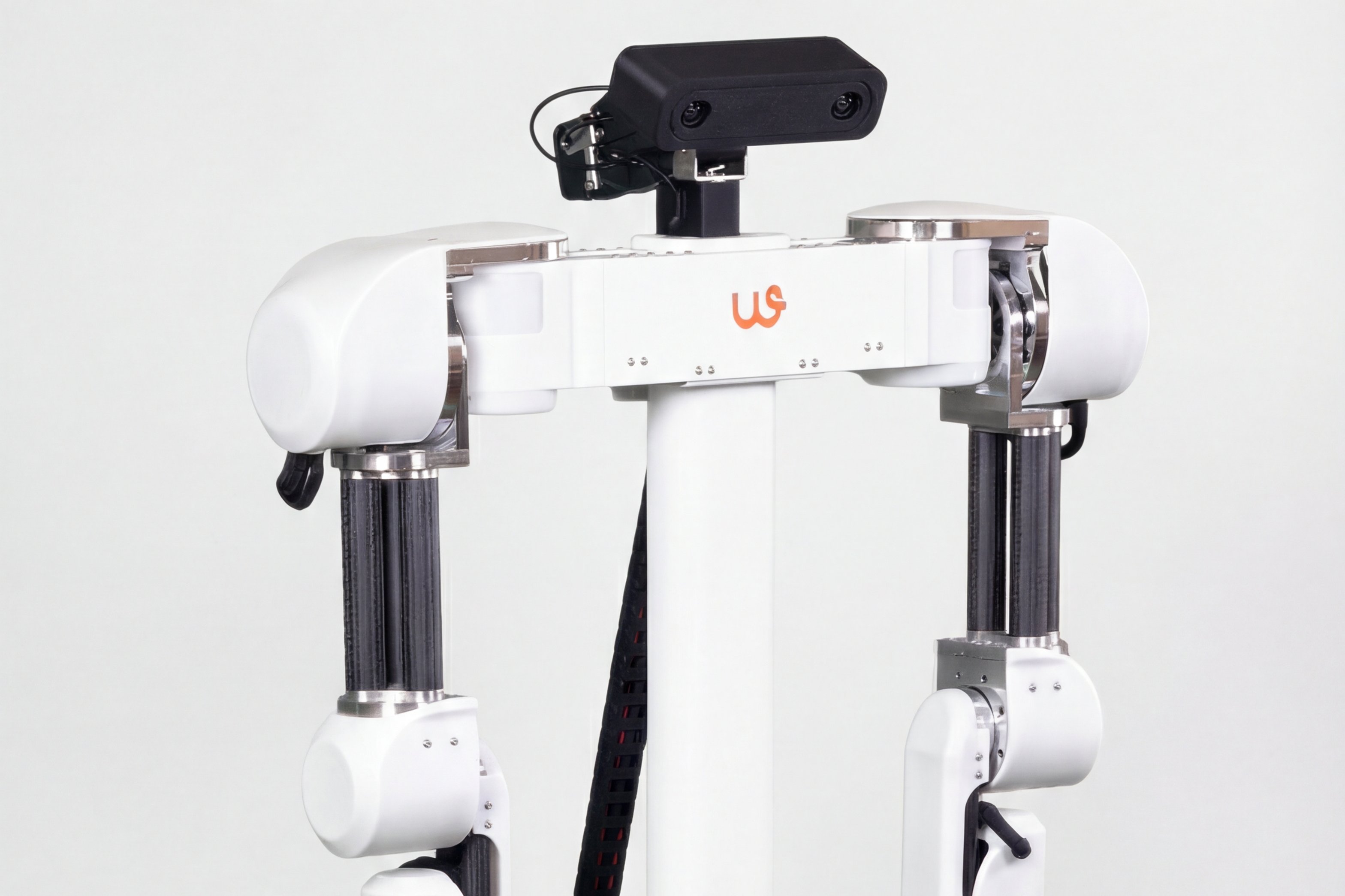
Weave Robotics is taking the narrow appliance route with Isaac 0, a stationary robot built around laundry folding, with first customer shipments in the Bay Area beginning in February 2026. It is priced at $7,999 with a $250 refundable deposit, or $450 per month on subscription. A more capable mobile version, Isaac, is planned for later in 2026, with Isaac 0 buyers getting preferred upgrade pricing when it arrives.
Isaac 0 uses remote specialists for brief corrections when it encounters difficult garments. That intervention data feeds back into the training pipeline.
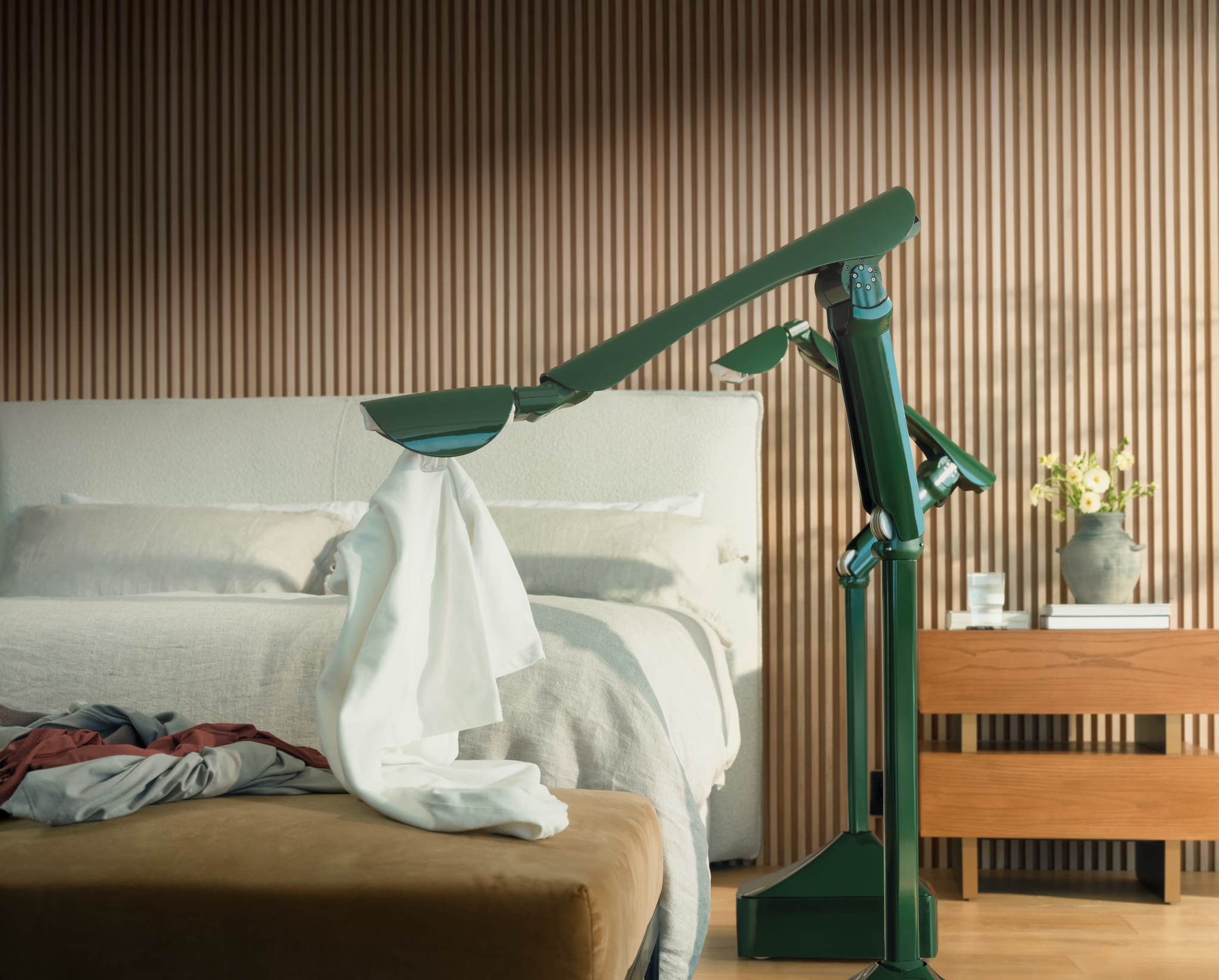
Lume pushes the same narrow-task logic further by hiding the robot inside furniture. Syncere, the Palo Alto company behind it, was founded by Stanford PhD Aaron Tan and Angus Fung, both University of Toronto Engineering alumni. The product is a floor lamp with robotic arms and a camera concealed inside; when activated by voice or app, it opens, folds laundry on a nearby surface, and returns to its lamp form.
Tan describes the goal as a robot that blends into domestic space. Lume remains at an early development stage.
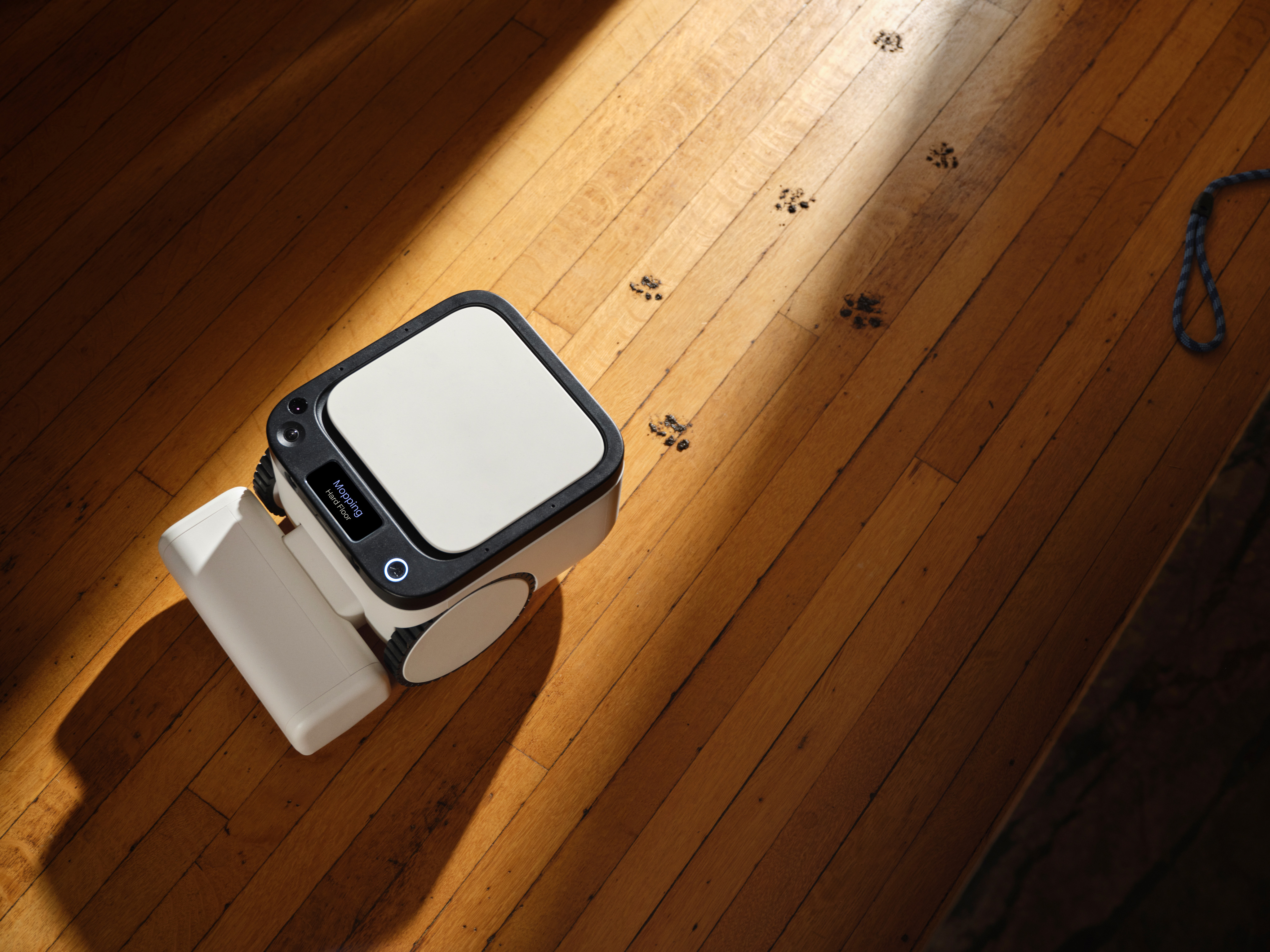
Matic builds a vacuum-category home robot focused on spatial understanding, on-device processing and daily cleaning.
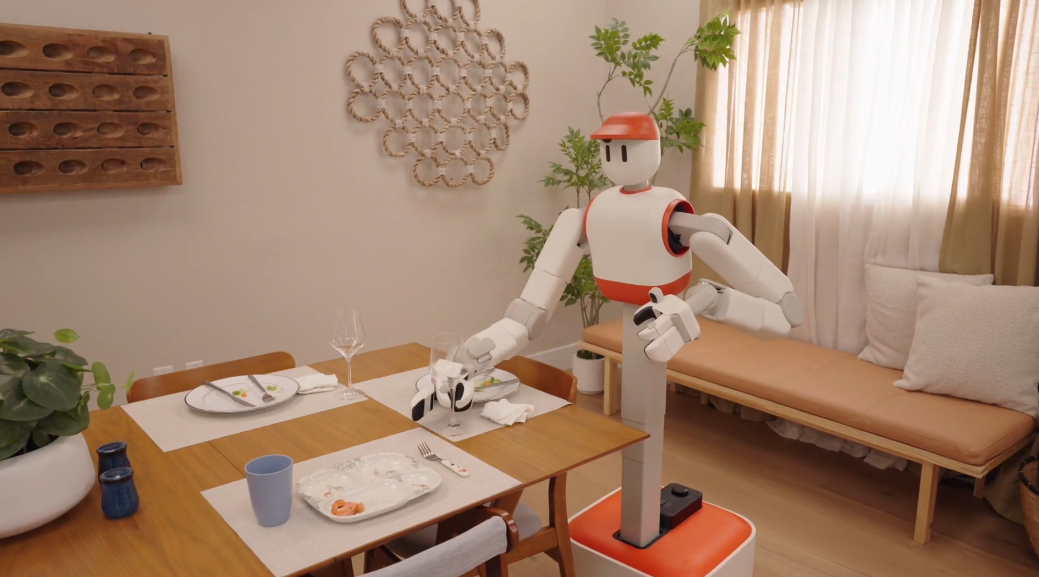
Sunday’s Memo is a 1.7-metre wheeled robot aimed at broader household chores such as clearing tables, loading dishwashers, folding laundry, and pulling espresso shots. The company raised $165M in March at a $1.15B valuation led by Coatue, with Bain Capital Ventures, Tiger Global, and Benchmark also in the round. Founders Tony Zhao and Cheng Chi are linked to ALOHA and diffusion policy research at Stanford.
Sunday’s approach depends less on teleoperation and more on household data collection. Its Skill Capture Glove is used to record chore demonstrations from real homes, feeding ACT-1, the company’s foundation model for household manipulation. The beta program for Founding Families is planned for 2026, with first deliveries targeted before Thanksgiving according to company materials.
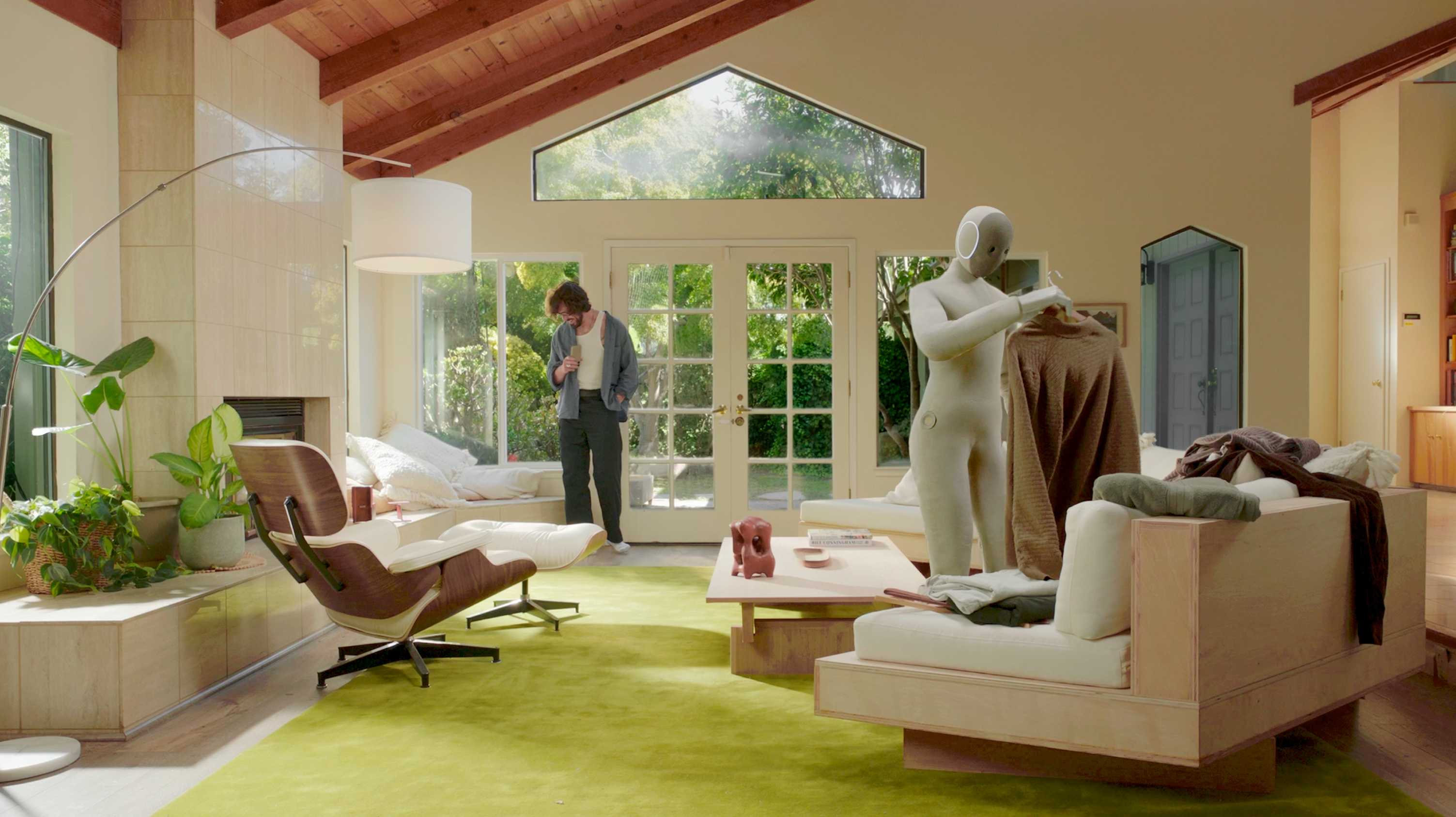
1X’s NEO takes the humanoid route. At $20,000 upfront or $499 per month on subscription, NEO is one of the most explicit attempts to sell a humanoid as a home product, with U.S. deliveries planned for 2026 and production tied to 1X’s NEO Factory in Hayward, California. The humanoid form factor is the argument and the burden. Homes are built around human bodies, but they are also full of clutter, children, pets, fragile objects, changing layouts, and tasks that people describe casually but perform with years of embodied context.
Prices of about $20,000 for a humanoid and $8,000 for a laundry-folding robot currently limit these products to a small household market.
Have a robotics update Korthos should review? Send news, deployments, product releases, funding rounds, research, or media to [email protected] or reach out on X at @agkorthos.