
The Humanoid Race Is Becoming a Manufacturing Race
Recent updates on humanoid production, factory capacity, lower-cost hardware, deployments and AI development.
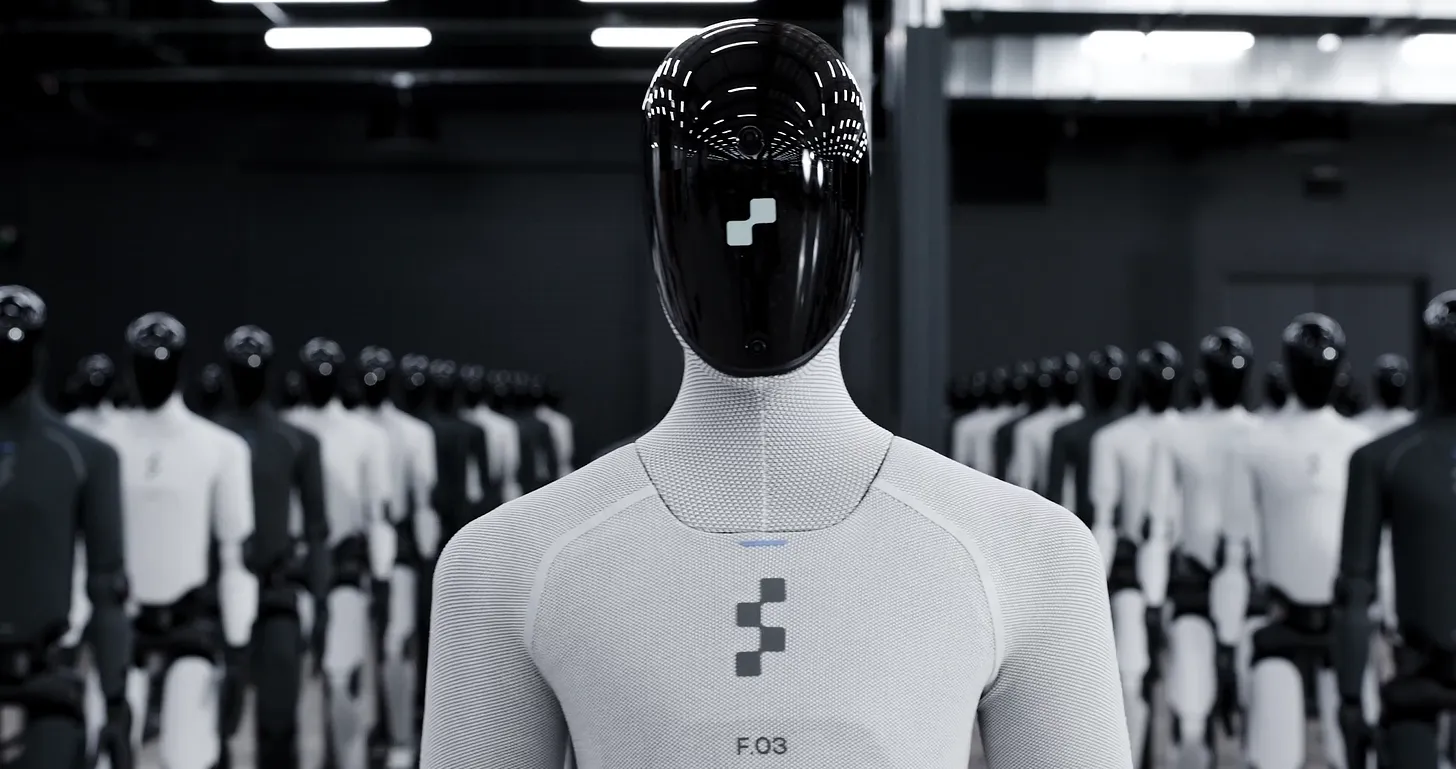
Humanoid production
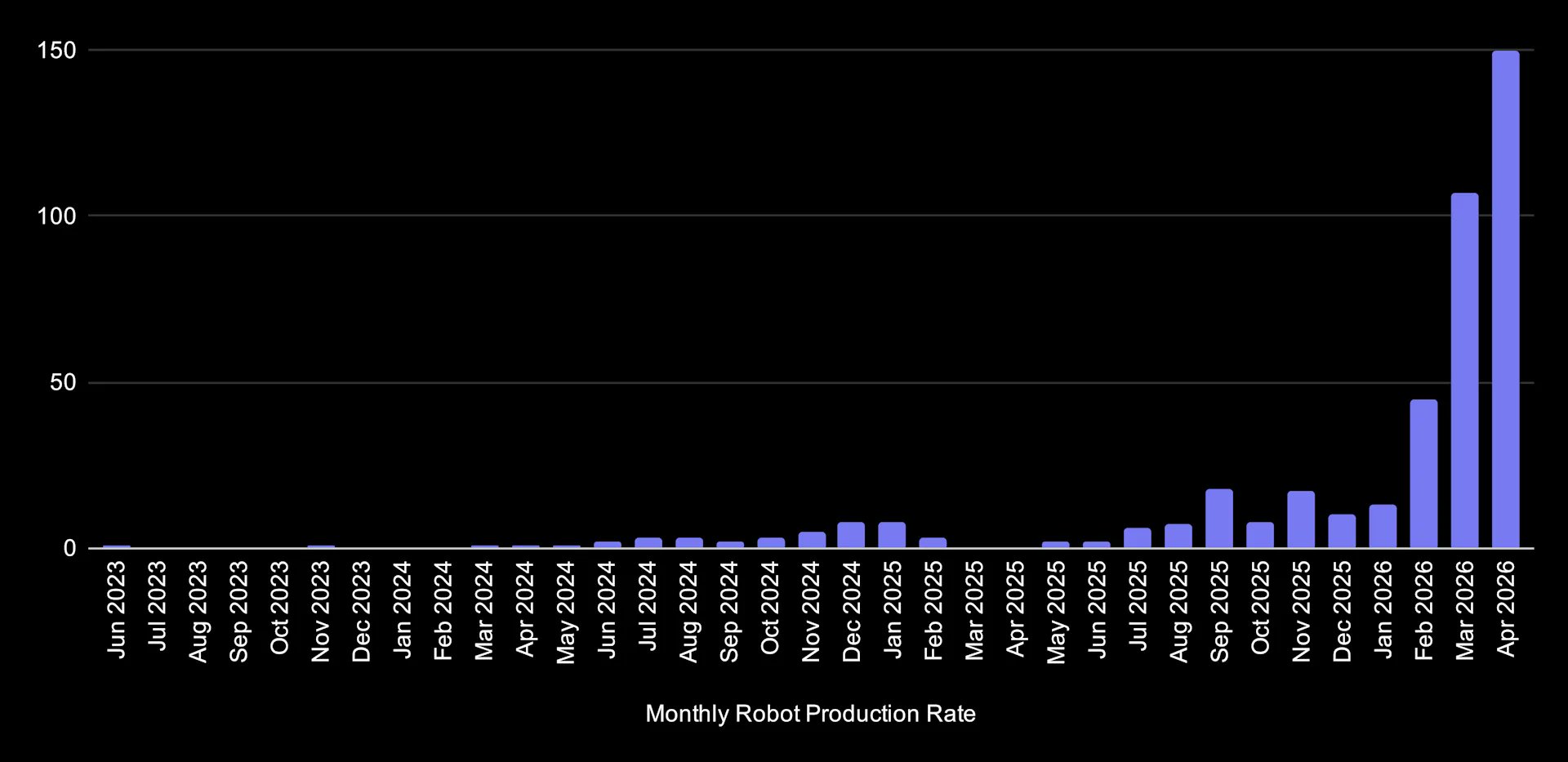
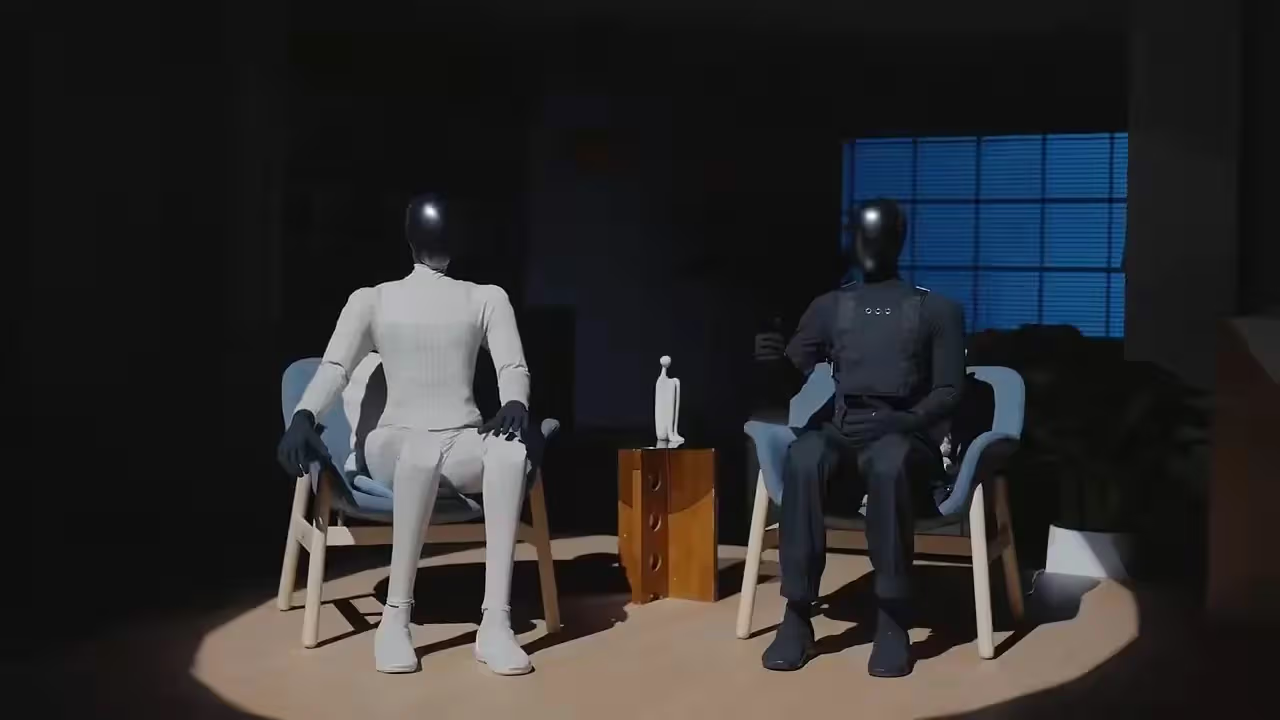
Their recent launch videos and the now-infamous production graph, originally published without a y-axis, made them the talk of the week. The real substance underneath the noise is a genuine production ramp.
At BotQ, their San Jose manufacturing facility, Figure moved from one Figure 03 per day to one per hour, a 24x increase in under 120 days, with more than 350 units delivered. Those units are going into Figure's own fleet for data generation, rather than to external customers.
BotQ targets 12,000 units annually at full capacity, which puts it in a different conversation to most Western humanoid companies. Chinese teams like Agibot and Unitree have been producing in the thousands per year for a while now. Western teams are catching up on that dimension.
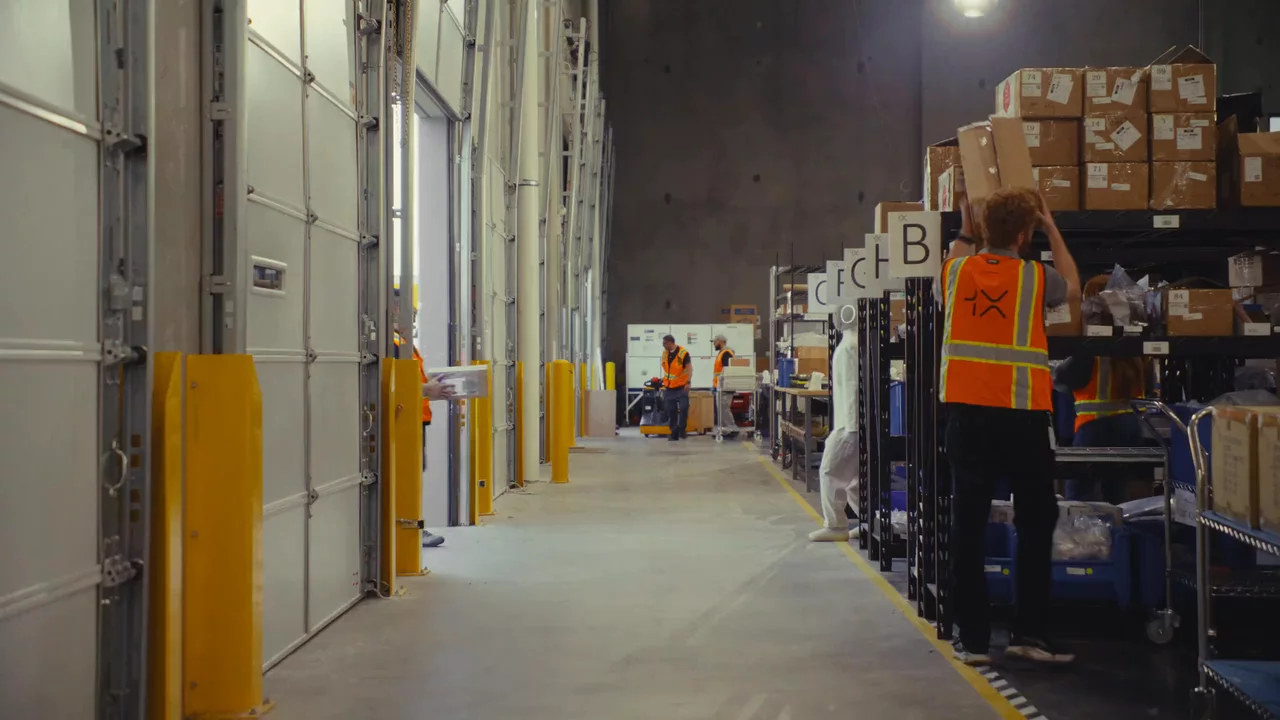
1X brought its NEO Factory online in Hayward, California, a 58,000-square-foot facility with capacity for 10,000 units in year one and a stated target of more than 100,000 annually by end of 2027. First-year production capacity sold out within five days of preorders opening in October 2025 at $20,000 per unit, though the orders are refundable and conversion rates remain to be seen.
Figure and 1X have been explicit about manufacturing critical components in-house rather than relying on external suppliers.
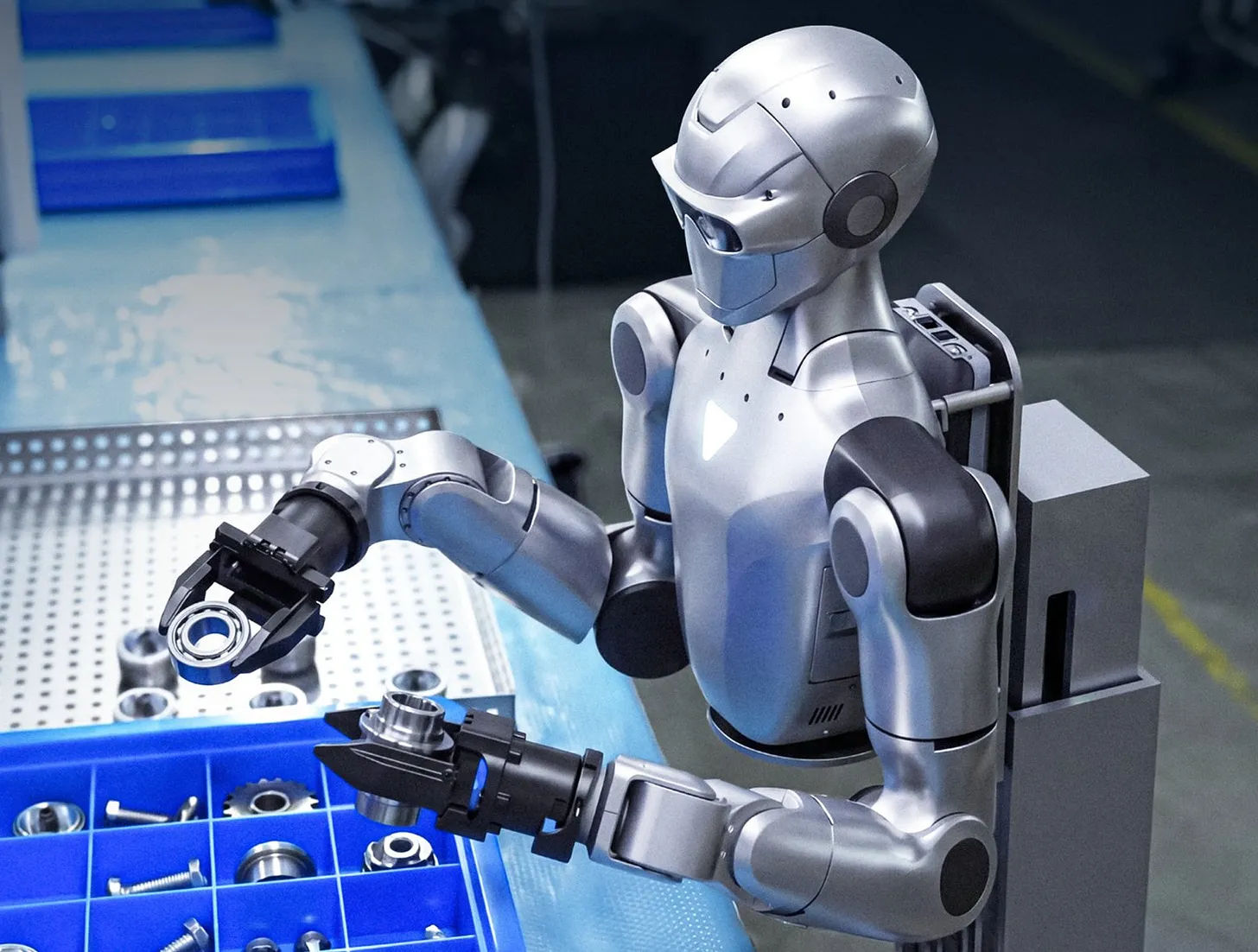
Unitree launched the R1-A5 and R1-A7, extending its R1 lineup with a dual-arm upper-body platform starting at $4,290 in China. The platforms support manipulation work on a fixed or wheeled base.
Kinetix AI, a Shenzhen startup founded by veterans of XPENG's original humanoid R&D team, unveiled KAI on April 26. It is targeting domestic and retail environments, priced below $40,000, with mass production planned for late 2026.
Elsewhere, RobotEra raised more than $200 million and has deployed its L7 humanoid across more than 10 logistics centers. AiMOGA Robotics announced roughly 1,000 Intelligent Police Robot orders with 110 deliveries and Hexagon Robotics and Fill Maschinenbau announced an AEON humanoid pilot for manufacturing workflow.
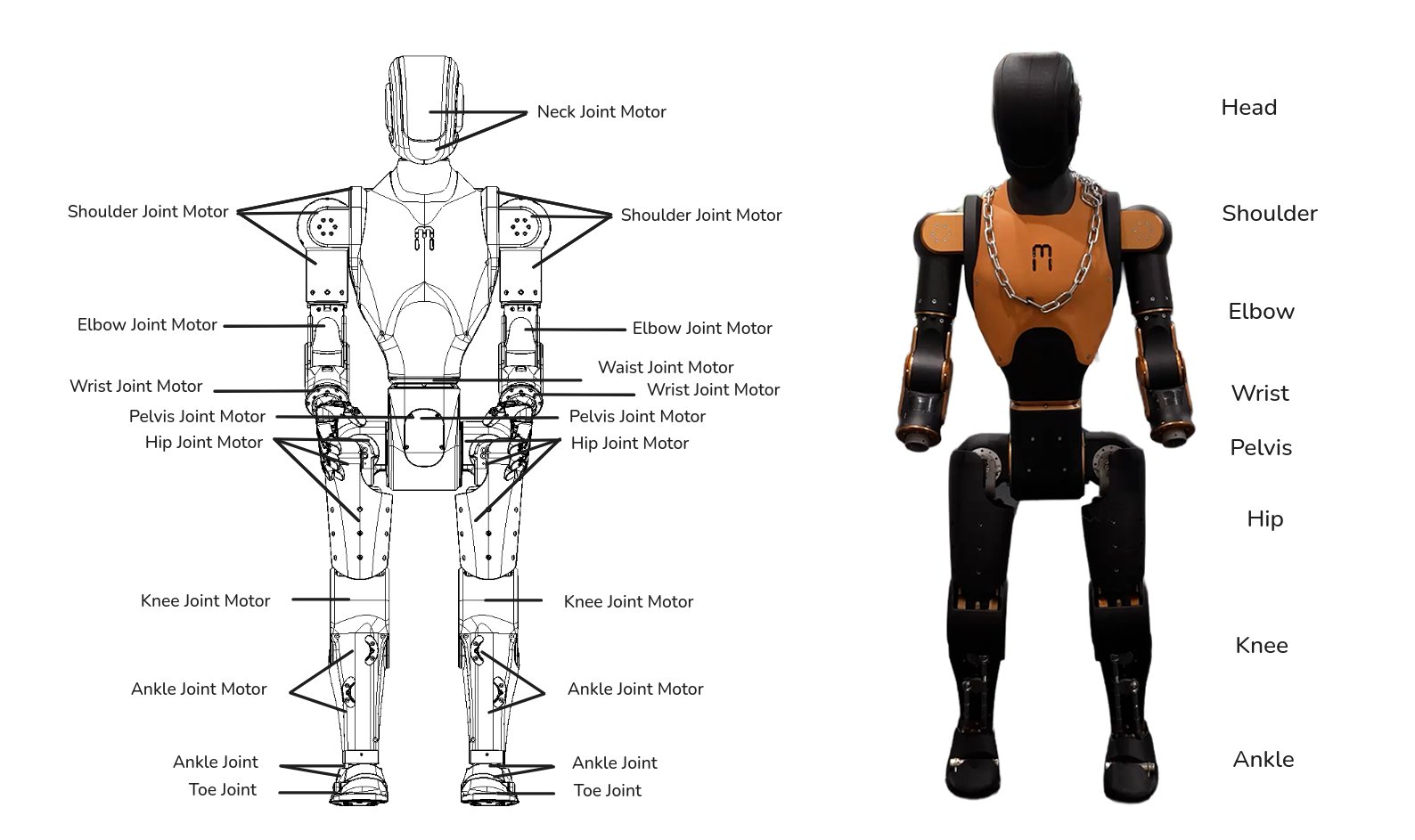
Menlo Research open-sourced Asimov v1 with its full bill of materials and mechanical design files. The approach differs from vertically integrated humanoid companies, Menlo's stated position is that they deliberately avoid vertical integration on manufacturing and are focused on owning the intelligence stack, with an open supply chain underneath it.
Meta acquired Assured Robot Intelligence, a humanoid robotics AI team rather than a hardware platform. Co-founder Lerrel Pinto previously co-founded Fauna Robotics, which Amazon acquired in March for its own humanoid push. Co-founder Xiaolong Wang was a researcher with Nvidia's robotics group and an associate professor at UC San Diego, with work spanning vision, representation learning and whole-body control. ARI was building foundation models for humanoid robots to operate across physical environments, what Meta described as enabling robots to understand, predict and adapt to human behaviors in complex and dynamic environments. Both founders join Meta Superintelligence Labs, where they will work alongside Meta Robotics Studio.
Have a robotics update Korthos should review? Send news, deployments, product releases, funding rounds, research, or media to [email protected] or reach out on X at @agkorthos.